
Expedition cruising is motivated by curiosity. Each destination expands your horizons - from penguin colonies and breaching whales in polar zones to giant tortoises, sea lions, and blue-footed boobies in the Galápagos, or ancient rock art and saltwater crocodiles in the Kimberley. Small vessels, knowledgeable guides, and remarkable wildlife encounters create a distinctly different kind of journey.
In This Guide
Where You Can Go
The Polar Regions: Antarctica, Arctic, Greenland & Iceland
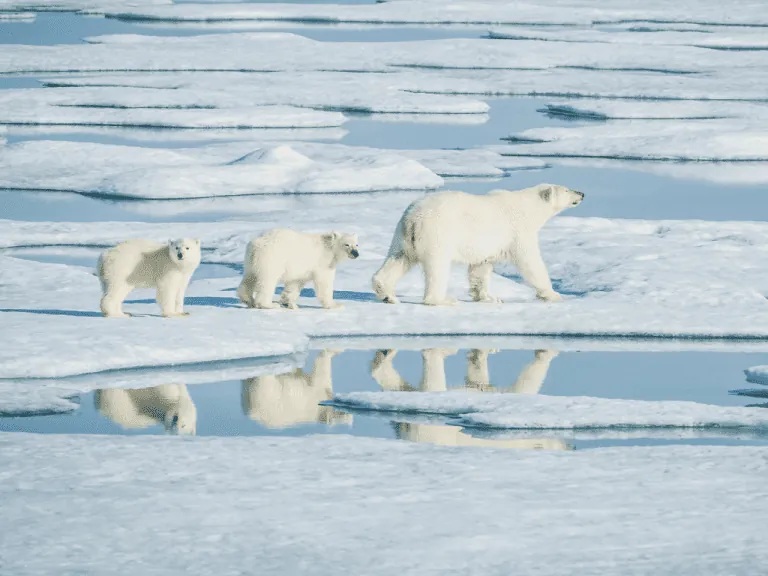
Wildlife: Penguins, polar bears, seals, walrus, whales, and extraordinary seabird colonies.
Scenery: Icebergs, towering glaciers, pack ice, deep fjords, and volcanic coastlines in Iceland.
Activities: Zodiac landings, wildlife watching, guided hikes on remote shores, kayaking, photography workshops, and time on deck as the ship navigates ice-filled waters.
Wow moments: A polar bear stepping across the ice. A glacier calving into the sea. Penguins gathering on a snowy beach.
Wild Islands & Remote Archipelagos: Galápagos, South Georgia & Falklands
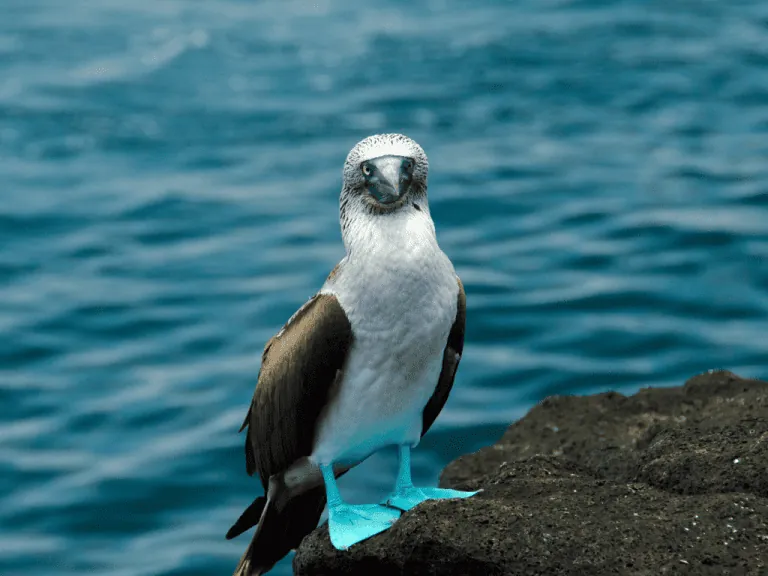
Wildlife: Giant tortoises, marine iguanas, blue-footed boobies, king penguins, albatross, and seal colonies.
Scenery: Volcanic islands, rugged cliffs, windswept beaches, and protected coves.
Activities: Zodiac rides, wildlife walks, snorkelling, coastal hikes, and close-up nature encounters.
Wow moments: A blue-footed booby nesting nearby, enormous king penguin colonies, sea lions playing in clear water.
Warm-Water Expedition Regions: Kimberley, Baja California & Papua New Guinea
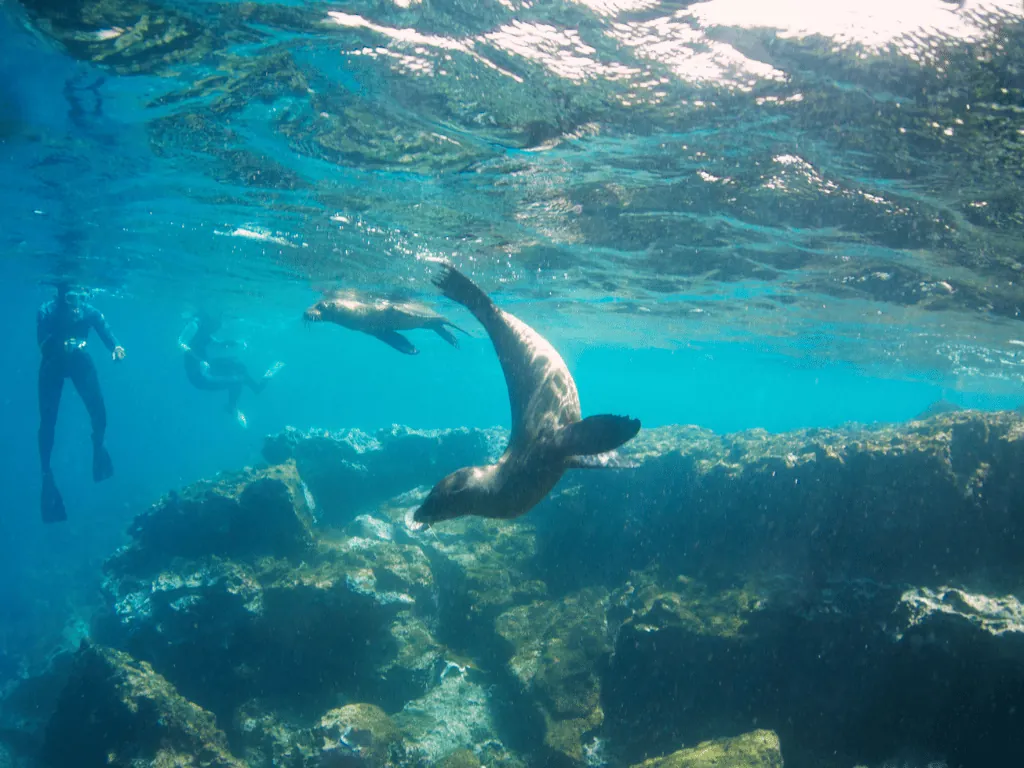
Wildlife: Whales, dolphins, sea lions, turtles, and vibrant marine ecosystems - from manta rays to migrating humpbacks.
Scenery: Red cliffs glowing at sunset, turquoise seas, coral reefs, mangroves, and volcanic shorelines.
Activities: Snorkelling, kayaking, Zodiac cruising, beach landings, cultural visits, and guided nature walks.
Wow moments: A whale breaching beside the ship. Sea lions circling as you snorkel. Ancient rock art revealed at low tide.
Coastal Frontiers: Patagonia, Chilean Fjords & Alaska
Wildlife: Whales, dolphins, bears, seabirds, and seals, with occasional penguin sightings in southern regions.
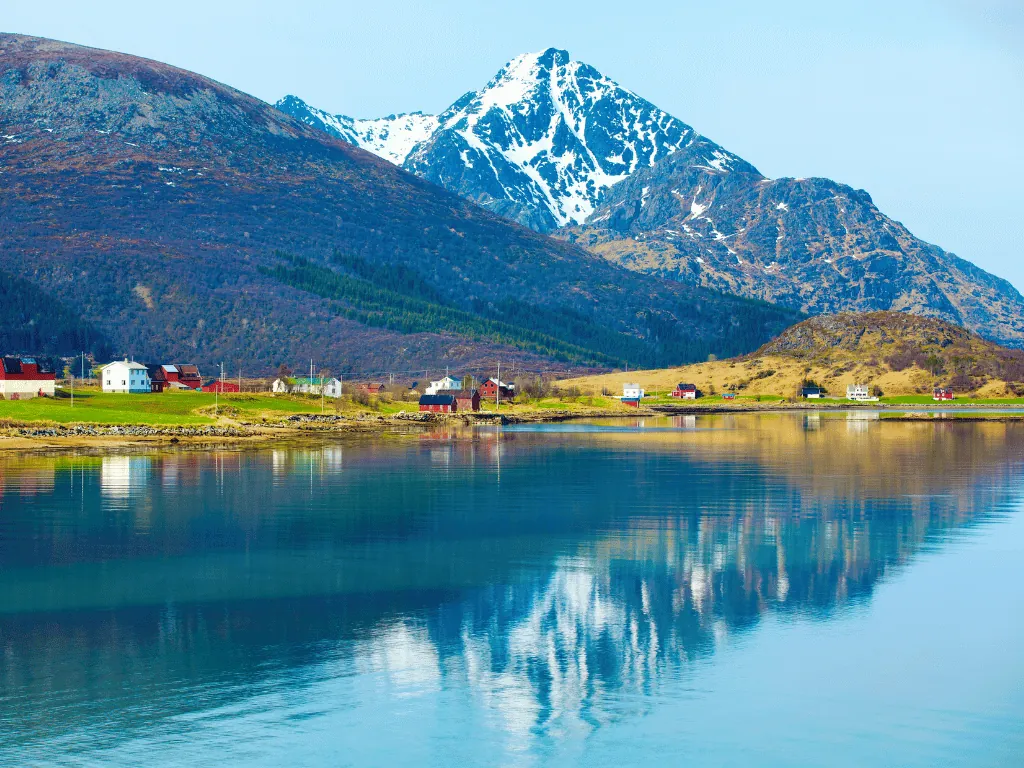
Scenery: Towering fjords, calving glaciers, forested coastlines, remote bays, and dramatic cliffs.
Activities: Scenic cruising, Zodiac exploration, wildlife viewing, short hikes, fjordland photography.
Wow moments: A glacier meeting the sea, mist lifting over a quiet fjord, a humpback whale surfacing beside the ship.
Small Ships and Zodiac Adventures
Expedition vessels remain intentionally small - typically 60 to 200 guests. Small landing groups, generous time ashore, and access to remote wildlife sites that larger vessels simply cannot reach. You can expect a relaxed, crowd-free deck; quick and easy boarding for Zodiac excursions; attentive service from the crew and expedition team; genuine connections with guides and fellow travellers; and a lighter environmental footprint than conventional cruising.
Exploring Responsibly
I partner exclusively with operators who demonstrate real commitment to environmental stewardship. The vessels I recommend maintain rigorous ecological protocols, address waste management and emission reduction, and ensure every cultural visit is conducted with sensitivity - honouring regional and indigenous populations, and prioritising community contribution rather than disruptive encounters. Every landing incorporates environmental protections for delicate ecosystems.
Your Expedition Cruise, Planned for You
I coordinate the complete expedition experience, not merely the ship booking. I handle ship selection, seasonal planning, complex logistics and permits, weather considerations, remote embarkation points, and the tailored stays and meaningful add-ons that make your journey feel complete. With around 200 trusted partners and no allegiance to any single operator, I can find the expedition that is right for your style and budget.
What to Pack for an Expedition Cruise
Packing for an expedition cruise is different from packing for a regular holiday. You need layers that work in unpredictable conditions, kit that handles salt spray and muddy landings, and gear that keeps you warm and dry without weighing you down. Here is what experienced expedition travellers bring.
Clothing and Layering
The golden rule on any expedition cruise is the layering system. Three layers work together: a moisture-wicking base layer, an insulating mid layer, and a waterproof outer shell. Conditions change fast at sea and on shore, so you need to add and remove layers quickly.
- Base layers (x3-4): Merino wool or synthetic moisture-wicking tops and leggings. Merino is warmer and odour-resistant; synthetic dries faster. Bring enough to rotate between landings.
- Mid layer (x2): A fleece jacket and a lightweight down or synthetic insulated jacket. Down is warmer for its weight; synthetic performs better when damp.
- Waterproof outer shell: A proper hardshell jacket - not a showerproof layer. Gore-Tex or equivalent with sealed seams. Most ships provide waterproof trousers or salopettes for landings; check with your operator.
- Fleece hat and liner gloves: Even in warm-water destinations the Zodiac ride to shore creates a wind chill. In polar regions, add heavyweight gloves or mittens over liner gloves.
- Buff or neck gaiter: Versatile for neck, face and ear coverage.
- Smart casual for evenings: Expedition ships have a relaxed dress code. A couple of mid-weight shirts or a light dress is enough. Leave the formal wear at home.
Footwear
- Expedition boots (mandatory): Many ships provide rubber boots for wet landings. If you prefer your own, bring knee-high rubber or neoprene boots. Check whether your ship supplies them - most do in polar regions.
- Walking shoes or trail runners: For dry landings and ship use. Lightweight and quick-drying.
- Warm socks (x4-5 pairs): Merino wool socks for warmth and blister prevention. Bring more than you think you need.
- Flip flops or slip-ons: For the ship pool deck or sauna.
Photography and Electronics
Expedition cruising is a photographer's dream. Penguins, whales, glaciers, remote villages - you will want every shot. Prepare your kit before you go.
- Camera with a zoom lens: Wildlife often keeps its distance. A 100-400mm zoom makes a significant difference for birds and marine mammals. A mirrorless camera balances weight and quality well.
- Extra batteries (x3 minimum): Cold kills battery life fast in polar regions. Always have charged spares in a warm inside pocket.
- Memory cards (x4 minimum): You will take far more photos than you expect.
- Dry bag or waterproof camera bag: Zodiac landings involve spray. Protect your kit in a roll-top dry bag.
- Portable power bank: Charging sockets on ships are limited. A high-capacity power bank keeps phones and cameras topped up.
- Universal travel adapter: Ships often use US or European sockets.
- Binoculars: 8x42 or 10x42 are the expedition standard. Essential for spotting wildlife at distance from the ship or shore.
Health, Safety and Personal Essentials
- Seasickness medication: Even experienced sailors can struggle in the Drake Passage or open ocean swells. Bring prescription patches (scopolamine), non-drowsy tablets (cinnarizine), and wristbands. Talk to your GP before you go.
- High-factor SPF (50+): Polar UV is deceptively intense. Snow and ice reflect UV back at you from below. Use it on your face, neck and the backs of your hands every day.
- Lip balm with SPF: Wind and sun together cause rapid chapping at sea.
- Insect repellent: Essential in the Amazon, Galapagos, and tropical island destinations. DEET or picaridin-based products work best.
- Personal medications (double supply): Bring twice what you need and split between bags. Expedition ships carry emergency medical kits but not prescription top-ups.
- Wet wipes and hand sanitiser: Zodiac landings and wildlife encounters mean frequent hand cleaning before meals. Ships are strict about biosecurity.
- Small daypack (20-25 litres): For carrying layers, water, snacks and your camera on shore excursions.
- Reusable water bottle: Most ships have refill stations. Single-use plastic is discouraged strongly on responsible expedition ships.
Documents and Luggage
- Soft-sided duffel bag: Many expedition ships ask passengers to use soft bags rather than hard-shell suitcases, as storage space in cabins is more limited than on large cruise ships.
- Waterproof document pouch: Keep your passport, travel insurance documents and emergency contacts protected.
- Travel insurance with medical evacuation cover: This is not optional on an expedition cruise. Medical evacuation from the Southern Ocean or the Amazon can cost tens of thousands of pounds. Your standard travel insurance is unlikely to cover it - you need specialist expedition or adventure travel cover.
What to Leave Behind
- Formal evening wear - expedition ships are smart casual at most
- High heels - no surface on an expedition ship or landing site needs them
- Excessive toiletries - cabins have limited storage
- Unnecessary electronics - the whole point is to look up, not at a screen
When to Go
The best time to go on an expedition cruise depends entirely on your destination.
- Antarctica: November to March (southern hemisphere summer). November brings dramatic icebergs and penguin courtship. January and February offer the best wildlife sightings and longer days. March sees whale activity increase as krill blooms peak.
- Arctic (Svalbard, Greenland, Iceland): June to September. Polar days mean 24-hour daylight in midsummer. August and September are best for whale watching.
- Galapagos: Year-round, with two distinct seasons. December to May is warmer with calmer seas. June to November brings the Humboldt Current, cooler water and dramatic wildlife activity including whale sharks and penguins.
- Kimberley Coast (Australia): May to September during the dry season, when waterfalls are at their most dramatic and crocodile viewing is exceptional.
- Amazon: June to November (low water season) is best for wildlife sightings and walking into the flooded forest. November to June brings high water - different landscapes, different wildlife.
Prices and Planning
Why Plan Your Holiday With Me?
I'm Rachael. I plan tailor-made holidays for curious travellers who love comfort. New experiences, lovely places to stay and someone looking after the details.
Design
I listen first, then shape your holiday around what you enjoy and what makes you comfortable. From the route to your room, with time to explore and time to relax.
Discover
With trusted specialists and local experts, I find distinctive places to stay and experiences that help you get to know a destination, chosen around your interests.
Travel well
I contact your hotels before you arrive, reconfirm your stay and share your preferences. I ask about upgrades and thoughtful extras where available, and support you until you're safely home.
Trusted Partners & Peace of Mind
I am part of The JLT Group, which means you enjoy the personal service of an independent travel advisor backed by the security of an award-winning company. Every holiday I arrange is fully protected, and my support continues before, during, and after your trip.
You Might Also Enjoy
Frequently Asked Questions
What is the difference between an expedition cruise and a traditional cruise?
Expedition cruising explores remote destinations in small numbers. Vessels are smaller, the focus is on wildlife, heritage, and topography, and schedules are flexible to accommodate weather or wildlife behaviour. Time spent outdoors, aboard Zodiacs, and ashore is the priority.
Which destinations can you reach on an expedition cruise?
Expedition cruises access locations standard cruises cannot. Notable destinations include Antarctica, the Arctic, Greenland, Iceland, the Galápagos, Baja California, the Kimberley, and remote Pacific atolls. Scotland's island chains and lesser-explored fjord systems also offer tremendous cultural richness.
How fit do I need to be for an expedition cruise?
Extreme fitness is not required, but basic mobility helps. You should be able to navigate short walks on uneven terrain and board Zodiac dinghies with assistance. Wet landings - stepping into shallow water from the Zodiac - happen frequently.
What is daily life like on board?
Days are built around discovery. Schedules typically offer two or three Zodiac landings or excursions depending on weather. On-vessel time features specialist presentations, wildlife observation, and informal gathering spaces. Attire is practical and informal.
Is seasickness common on expedition cruises?
It varies by itinerary. Passages like the Drake Passage between South America and Antarctica can be rough. Most travellers use medication prescribed by their doctor, and all vessels carry medical staff.
Are expedition cruises good for solo travellers?
Yes. Expedition ships are naturally sociable and friendly. Many companies offer single occupancy cabins or accommodation-sharing arrangements to minimise the single supplement.
Do itineraries ever change?
Frequently - and this is often a highlight. Expedition leaders adapt schedules for weather, sea conditions, or unexpected wildlife sightings, sometimes leading to extraordinary unplanned discoveries.