
There is something about Japan that stays with you, even before you go. The contrast of old and new, the sense of care in everyday life, the feeling that everything has been thought about. For many parents, a family holiday to Japan feels exciting and meaningful, but also a little intimidating.
In This Guide
- Why Japan Makes Such a Special First Adventure
- Where to Go on Your First Family Holiday To Japan
- Getting Around and Finding Your Rhythm
- Food, Comfort and Everyday Ease
- How Long to Go and How to Pace It
- What Children Genuinely Love About Japan
- Practical Tips for a Family Holiday to Japan
- FAQs About Family Holidays to Japan
- Final Thoughts
Japan surprises families more than almost any other destination I send them to. Parents worry their children will be bored. What actually happens is the opposite - Japan is relentlessly interesting at every age, from bullet trains and vending machines at five, to manga districts and food culture at fifteen, to history and aesthetics as adults. A family I sent last spring with three children (aged 8, 12, and 16) came back saying their teenagers, who had been reluctant to come, didn't want to leave. The food alone - ramen bars, sushi conveyor belts, convenience store snacks - becomes a daily adventure rather than a concern.
Long flights, a different language, unfamiliar customs. It is completely normal to wonder whether Japan might be better saved for later. What most families discover, though, is that Japan is not just manageable with children. It is quietly wonderful.
With thoughtful planning, Japan becomes a first big adventure that feels enriching rather than exhausting, and memorable for all the right reasons.
Why Japan Makes Such a Special First Adventure
Japan does not market itself as a family destination, yet it consistently surprises parents in the best possible way. Everyday life is calm, organised, and respectful. Streets are clean. Trains run on time. People are patient and considerate, especially towards children.
Japan has a rhythm that suits family travel beautifully. Children respond well to the structure. Parents feel supported rather than on edge. For a first long-haul journey, that sense of order and safety allows everyone to relax into the experience.
It is this balance of excitement and reassurance that makes Japan such a beautiful place to begin exploring the wider world together.
Where to Go on Your First Family Holiday To Japan
Tokyo is often the biggest question mark for parents, yet it quickly becomes a highlight. Despite its scale, the city feels surprisingly approachable. Neighbourhoods are distinct and easy to explore, with parks, cafés and attractions close together. Once you understand the train system, getting around becomes part of the fun.
Children are drawn to Tokyo’s playful side. Interactive museums, digital art spaces, toy shops and themed cafés sit alongside simple moments they love, from vending machines to capsule toys. Tokyo feels lively and imaginative, but also safe and well-ordered, making it a brilliant introduction to modern Japan.
Kyoto offers a gentle contrast. This is where families slow down and experience a more traditional side of the country. Kyoto works best when you resist the urge to see everything. A few carefully chosen experiences, balanced with time to wander, allow children to engage more naturally. Bamboo forests, riverside walks, cycling paths and hands-on cultural activities often leave a deeper impression than busy sightseeing days.
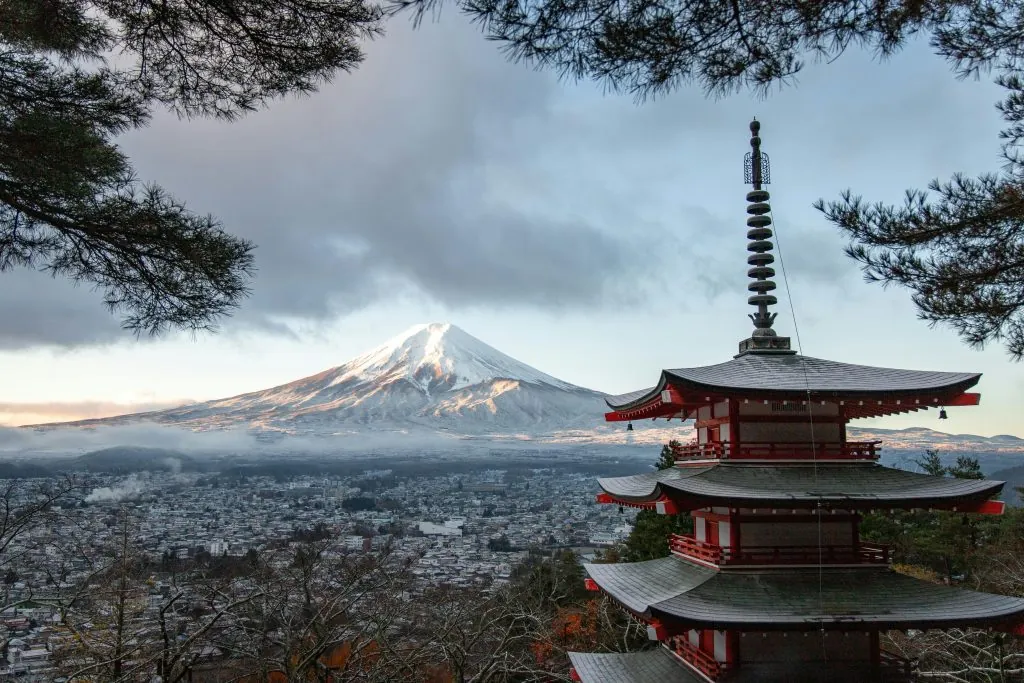
Many families choose to include a short countryside stay to break up the cities. Hakone is a popular choice, offering open-air museums, scenic transport and the chance to glimpse Mount Fuji on a clear day. Traditional inns add something special, with futon beds and unhurried evenings that feel like part of the adventure rather than a compromise.
Osaka often completes the journey beautifully. It is relaxed, friendly and full of warmth. Known for its food culture and easygoing atmosphere, it pairs naturally with Kyoto. Families enjoy the lively streets, casual dining and, for some, a visit to Universal Studios Japan.
Getting Around and Finding Your Rhythm
One of the quiet joys of travelling in Japan is how smoothly everything runs. Trains are clean, reliable and punctual, and stations are clearly signposted. Travelling between cities feels straightforward when it is planned with care.
For families, the details matter. Staying close to major stations, allowing time to move at a child-friendly pace, and using luggage forwarding services can make travel days feel calm rather than tiring. Children often remember the trains as fondly as the destinations themselves.
Japan rewards preparation. When logistics are handled in advance, the days unfold naturally and leave space for small, unexpected moments.
Food, Comfort and Everyday Ease
Food is often a worry for parents, yet it rarely causes problems in Japan. The cuisine goes far beyond sushi, and everyday meals are simple, comforting and gently flavoured. Noodles, rice bowls, grilled meats and bento boxes are easy for children to enjoy.
Bakeries, cafés and convenience stores are everywhere, offering familiar options alongside new tastes. Many restaurants display realistic food models outside, which makes choosing meals easy and relaxed. Mealtimes often become moments of curiosity rather than negotiation.
Accommodation also supports family travel when chosen thoughtfully. While rooms are smaller, they are well-designed and efficient. Family rooms, apartment-style stays and traditional ryokan can all work beautifully. Futon bedding often feels like a novelty for children, while parents appreciate the calm atmosphere and attention to detail.
How Long to Go and How to Pace It
For a first family holiday to Japan, ten to fourteen nights allows the trip to unfold at a comfortable pace. This gives time to recover from jet lag, settle into each place and avoid rushing from one stop to the next.
A balanced itinerary usually includes Tokyo, Kyoto, a countryside stop such as Hakone, and time in Osaka. Japan is not a destination to hurry through. It rewards families who give it space and allow each place to reveal itself slowly.
What Children Genuinely Love About Japan
I've spoken to many families who've returned from Japan and the thing that surprises them most is how much their children loved it - often for reasons they didn't expect.
The food. Ramen, sushi conveyor belts, fresh gyoza, and crepes stuffed with strawberries from street stalls in Harajuku - children tend to eat really well in Japan. Even fussy eaters usually find plenty they enjoy, and the novelty of ordering from picture menus or using a vending machine never gets old.
The trains. Japan's rail network becomes an experience in itself. Children love the Shinkansen (bullet train), the cleanliness and precision of everything, and the little rituals - like getting a station stamp in their notebook at each stop. Buying a Japan Rail Pass in advance simplifies travel enormously, and I'll take care of all of that.
The unexpected details. Vending machines on every corner selling everything from hot coffee to toys. Capsule hotels for a novelty overnight. Daiso (the 100-yen shop) where children can spend a joyful hour choosing gifts for friends. Nintendo World and teamLab digital art installations for something more structured. Japan rewards curiosity at every turn.
Why Plan Your Holiday With Me?
I'm Rachael. I plan tailor-made holidays for curious travellers who love comfort. New experiences, lovely places to stay and someone looking after the details.
Design
I listen first, then shape your holiday around what you enjoy and what makes you comfortable. From the route to your room, with time to explore and time to relax.
Discover
With trusted specialists and local experts, I find distinctive places to stay and experiences that help you get to know a destination, chosen around your interests.
Travel well
I contact your hotels before you arrive, reconfirm your stay and share your preferences. I ask about upgrades and thoughtful extras where available, and support you until you're safely home.
Practical Tips for a Family Holiday to Japan
Flying. The flight to Tokyo takes roughly 12 hours from London. A direct flight with Japan Airlines or ANA is worth the extra cost - quality is excellent and the service genuinely helps with children. I always recommend booking seats together well in advance and requesting child meals where available.
Language. English signage is excellent throughout Tokyo and the main tourist routes. Google Translate's camera function handles menus and signs in seconds. You will rarely feel lost.
Jet lag. Japan is eight to nine hours ahead of the UK. Arriving a day before any planned activities and keeping bedtimes gentle for the first couple of nights makes a real difference - especially for younger children. Japan's early-rising culture actually works in your favour here.
Temples and shrines. Children often surprise parents by finding these genuinely interesting, particularly if you frame them well beforehand. Fushimi Inari's thousands of torii gates, the deer at Nara, and the bamboo grove at Arashiyama in Kyoto are all naturally child-friendly in a way that formal museums sometimes aren't.
Pacing. Three destinations maximum in a ten-day trip. Tokyo and Kyoto, with a day trip to Nara, is an excellent structure. Adding Osaka if you want more city time. Don't try to fit in Hiroshima and Hakone and a third city on top - Japan rewards slow exploration and rushing it means missing the best bits.
You Might Also Like
FAQs About Family Holidays to Japan
How long is the flight to Japan from the UK?
Direct flights from London to Tokyo take around twelve to thirteen hours. Japan Airlines and ANA both operate direct routes, and the service is excellent - good meals, decent entertainment, and attentive cabin crew who are particularly kind with children. I always recommend booking seats together well in advance and requesting child meals where available.
Is Japan expensive for families?
Japan has a reputation for expense that's partially deserved - but it's not as extreme as people expect. Mid-range hotels and family restaurants offer genuinely good value. Transport on the Japan Rail Pass is excellent and covers most of what you need. The main costs are flights and accommodation; once you're there, a lot of daily spending is very reasonable.
What age is best for a first family holiday to Japan?
Most families find Japan works beautifully from around seven or eight upwards. Younger children can have a wonderful time too - particularly if they're comfortable with travel - but older children tend to engage more deeply with the culture, history, and food. I'd rather design the right trip for your family than give a blanket age recommendation.
Do you need to speak Japanese?
Not at all. English signage is excellent throughout Tokyo and along the main tourist routes - train stations, airports, and most tourist sites are well labelled. Google Translate's camera function handles menus and notices instantly. Most people in the hospitality industry speak at least some English. Japan is genuinely one of the easiest non-English-speaking countries I book for first-time visitors.
Final Thoughts
A family holiday to Japan is not about seeing everything or ticking boxes. It is about shared discovery. Watching your children navigate a new culture with confidence. Noticing how small rituals become memories. Feeling connected, not just to a place, but to each other.
With thoughtful planning, Japan feels welcoming rather than overwhelming. For many families, it becomes a beautiful first adventure and the beginning of a lifelong love of travel together.
If you are starting to picture your own family holiday to Japan, I would love to help you shape it. I take the time to understand how your family travels, what matters most to you, and the pace that will feel right, then carefully design a trip that feels considered and personal from start to finish.
If you would like to get started, please click the button below:
You Might Also Like