
Table of Contents
You’ve been looking at river cruise brochures. Maybe for a while. The ships are beautiful, the itineraries look extraordinary, and every image shows a couple with a glass of wine watching a medieval castle slide past the window. You want that. But you’re not entirely sure how to get from here to there: which river, which cruise line, which cabin, what actually happens when you’re on board.
In This Guide
- Why Your First European River Cruise Is Unlike Anything Else
- Which European River Is Right for Your First Cruise?
- What to Expect On Board
- How to Choose the Right Cruise Line
- What to Pack for a European River Cruise
- If You’re Nervous About Booking Your First River Cruise
- Why Using a Travel Advisor Makes a Difference
- FAQs About European River Cruises
- Ready to Plan Your First River Cruise?
This guide is for you. I’m going to answer every question a first European river cruise passenger should ask before they book: plainly and honestly, without steering you towards one cruise line over another before I know who you are.
If you’ve already decided on a river and you’re looking for inspiration for a specific stop, I am in the process of writing river cruise port guides that go deeper on individual ports: what to do ashore, the best excursions, and what most passengers miss. If there’s one you would like in particular, please get in touch.
Why Your First European River Cruise Is Unlike Anything Else
People who’ve only done ocean cruises sometimes assume river cruising is a smaller, cheaper version of the same thing. It isn’t. They’re completely different experiences, and river cruising wins on several of the things that matter most to curious travellers.
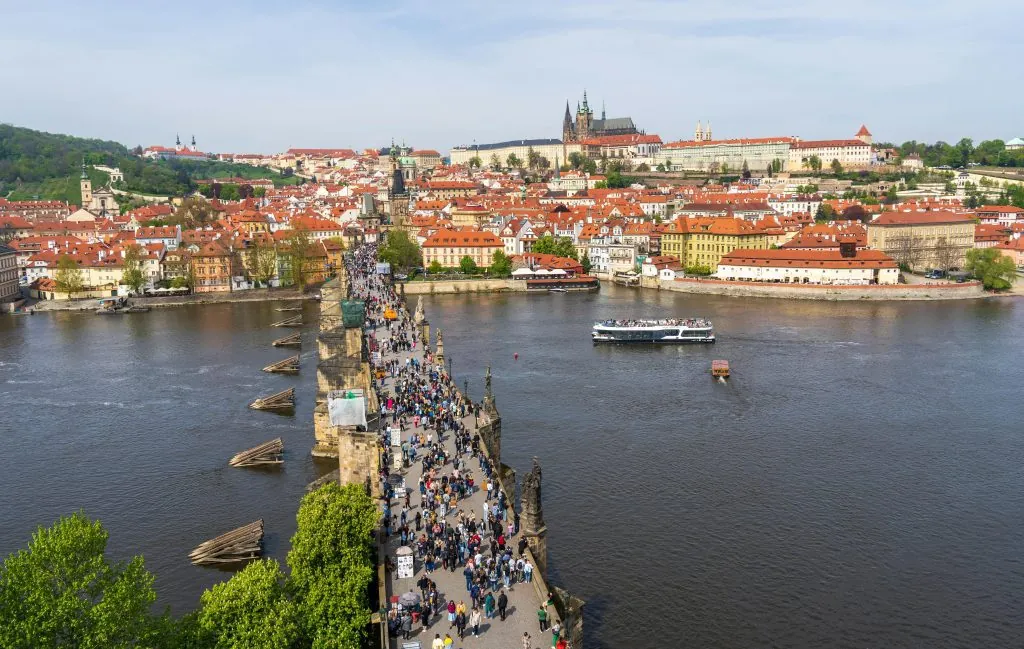
On a river cruise, the ship is never the destination. It’s the means. You wake up in a different port city almost every morning, with the gangway lowered directly into the historic centre. No tendering, no shuttle buses, no queuing. You step off the ship and you’re there. In the Ribeira in Porto, or on the quay in Vienna, or ten minutes from the centre of Budapest. The ships carry 100 to 200 passengers, not 3,000. You get to know people. You get to know the crew. It feels nothing like a floating resort. For many travellers, that’s exactly the point.
For most of European history, the river was the road. A river cruise is just travelling the way people always did - slowly, at eye level, through the heart of things.Ocean cruises do things river cruises can’t: the Mediterranean, the Caribbean, the scale of the sea itself. But for exploring Europe’s interior its cities, its vineyards, its history. River cruising is simply the finest way to travel.
Which European River Is Right for Your First Cruise?
This is usually the first question, and the honest answer is: it depends entirely on what you want to feel. Here’s a breakdown of the main rivers. For destination inspiration Visit Europe is a useful starting point.
The Rhine runs from Basel to Amsterdam through castles, vineyards, and medieval towns. It’s the most accessible European river cruise and the most popular first choice: plenty of variety, shorter itinerary options, and easy to navigate independently at each port. A great first cruise.
The Danube is the classic. Vienna, Budapest, Bratislava: imperial architecture, coffee house culture, extraordinary music history. If you want the great European cities on a single itinerary, this is it. Another excellent first cruise.
The Douro is Portugal’s wine country: terraced quintas, ancient villages, Porto at one end. A gentler pace than the Rhine or Danube, and less crowded. If you want something more intimate and off the beaten track, this is the one. A wonderful first cruise for wine lovers and foodies.
The Seine takes you from Paris to Normandy: Monet’s garden at Giverny, the D-Day beaches, Honfleur. Deeply resonant for anyone drawn to French history or the Second World War story. A brilliant first cruise if France or that history is what draws you.
What to Expect On Board
First-time river cruise passengers often tell me their biggest surprise is how un-cruise-like it feels. There are no casinos, no production shows with twelve-person dance troupes, no queuing for a buffet. Life on a river cruise ship is quieter, slower, and (depending on the cruise line) exceptionally comfortable.
The ship itself
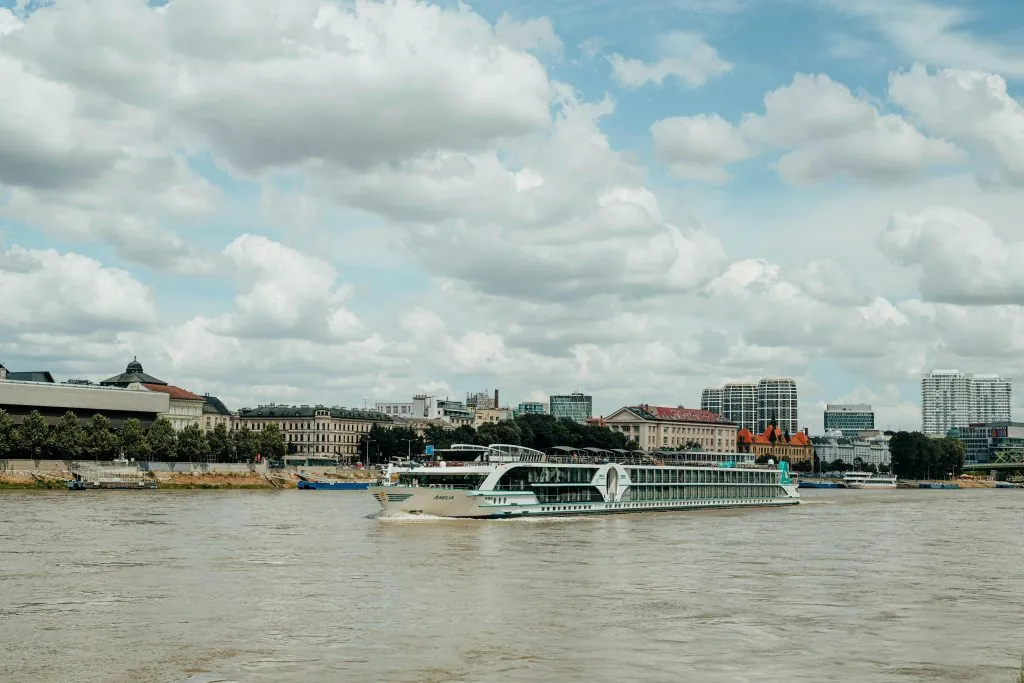
European river cruise ships are purpose-built for shallow, narrow European waterways. They’re long and relatively low, which means upper decks are usually open-air sun decks with loungers, not cabins. Most ships have a single main restaurant, a lounge bar, a small library or reading area, and a spa or fitness room. They’re designed for people who are there to explore the ports, not spend time on board.
Cabins
Cabins on modern river cruise ships range from well-appointed standard rooms to genuinely impressive suites with floor-to-ceiling windows that open entirely, turning your room into a balcony. The most important thing to understand is the French balcony: an opening window rather than a physical balcony. You stand at the window and feel the air; you don’t sit outside. For a true outdoor balcony, look at ships from Scenic, Emerald, or Avalon, which have engineered proper outside deck space at suite level.
Cabin tip: Choose a cabin on the middle deck if you’re at all concerned about noise from the engine or from the gangway. Upper deck cabins on modern ships are almost always the premium option worth asking about when you book.
Food and drink
River cruise food ranges from very good to genuinely outstanding, depending on the cruise line. Most include all meals, and the better lines include house wine, beer, and soft drinks with lunch and dinner. Some lines, notably Scenic, Tauck, and Uniworld, include premium drinks throughout the day. If this matters to you, check exactly what’s included before you book, because the difference between a ‘drinks included’ and ‘drinks available’ cruise can add several hundred pounds to your trip cost.
The food tends to reflect the regions you’re passing through: local wines on the Douro, Riesling on the Rhine, Viennese pastries on the Danube. This is one of the pleasures. Eat what’s regional. Ask the chef what they’re proud of.
Fellow passengers
River cruise passengers are typically couples aged 50 to 75, often celebrating a significant birthday, anniversary, or retirement. That’s changing. The average age is dropping, and the Douro in particular attracts a younger, more independent-minded traveller. But if you’re looking for a party atmosphere or a singles scene, river cruising probably isn’t your answer. If you’re looking for intelligent company, interesting conversation, and people who’ve chosen to spend their holiday actually looking at things, you’ll fit right in.
Excursions: What the Cruise Line Offers vs What Else Is Available
Every river cruise includes a programme of included excursions: guided tours of the main sights at each port. These are generally good, well-organised, and informative. They’re also, by design, the same for everyone on the ship.
The question worth asking is: do I want the same experience as everyone else, or do I want something tailored to what I’m actually interested in?
Most cruise lines now offer ‘active’ excursion options: longer walks, cycling tours, more physical alternatives to the standard guided visit. Some offer premium private tours at extra cost. Independent exploration is always possible at most ports, and many experienced river cruise passengers prefer to do their own thing at the ports they know they want to explore deeply.
For each major port, my clients get a bespoke guide to what’s available: not just the cruise line’s excursion list, but verified independent options, what to prioritise based on their interests, and what most passengers miss.
Independent tip: River cruise ships dock in the centre of almost every city. You can always step off and explore independently you don’t need to book everything through the cruise line. Just be back before the ship leaves.
How to Choose the Right Cruise Line
This is where most first-time river cruise passengers get stuck, and where a good travel adviser earns their value. There are six or seven major European river cruise lines, and they are not interchangeable. They suit different people.
- AmaWaterways: Strong all-round choice. Excellent food, attentive service, good active excursion programme. Particularly good for couples who want a polished experience without the ultra-premium price.
- Viking: The market leader in terms of volume. Clean Scandinavian design, very good included content, consistently high-quality ships. Suits people who want reliability and understated elegance.
- Scenic: All-inclusive, including premium drinks and most excursions. Larger, more impressive ships with proper outside balconies on suites. For travellers who want everything included and a genuinely luxurious on-board feel.
- Emerald Waterways: Scenic’s more accessible sibling. Similar ship design at a lower price point. Good value for the experience delivered.
- Avalon: Known for its Suite Ships with panoramic windows that open fully. Strong food programme. Good for people who want a bright, open cabin experience.
- Tauck: Ultra-premium. Smaller ships, extraordinary access, deeply curated itineraries. Private concerts in historic venues, exclusive openings, remarkable guides. For clients for whom cost is secondary to experience.
- Uniworld: Boutique luxury. Lavishly decorated ships each one distinct, with a more intimate, hotel-like feel. No two ships are alike. Strong food and service.
A longer guide: How to Choose the Right River Cruise Line covers each line in detail with an honest assessment of who each one suits.
The Blue Turtle Escapes Difference
I'm Rachael, and booking through me costs you nothing.
Here is what it adds.
Design
I listen first. How you travel, what you've loved before, what you'd rather avoid. Then I design your holiday with you. You work with one person, start to finish.
Discover
I work with 200 trusted partners who have actually been there. I pick the right ones for you, then work closely with them on every detail.
Travel well
Before you arrive, I tell the people looking after you what matters to you. And you have my support from when you first contact me until you're home.
What to Pack for a European River Cruise
River cruising has a relaxed dress code compared to ocean cruising. Most ships have a smart-casual evening standard: no formal nights, no black-tie requirements. Think the kind of thing you’d wear to a good restaurant: nice trousers, a smart shirt or blouse, comfortable shoes that can also do a few miles on cobblestones.
- Footwear: Comfortable, grippy shoes for port days are essential. European historic centres are almost universally cobbled. Anything with a heel will make you miserable.
- Layers: River cruising in spring and autumn means variable weather. The difference between a sunny afternoon in the Douro Valley and a cool evening on deck can be fifteen degrees. Pack layers you can add and remove.
- Rain jacket: A compact, packable waterproof is worth its weight. Spring on the Rhine can be showery. Better to have it and not need it.
- Sun protection: Summer river cruising, particularly on the Douro, involves long hours of strong sun on open decks and vineyard visits. Sun cream, sunglasses, and a hat are not optional in July and August.
- A smaller day bag: For port days: somewhere to put a water bottle, your phone, a light jacket, and whatever you buy ashore. A tote or small backpack, not a wheelie suitcase.
Luggage tip: River cruise cabins are comfortable but compact. A medium-sized suitcase per person is plenty. You’re not packing for a transatlantic crossing.

If You’re Nervous About Booking Your First River Cruise
This is more common than people admit. River cruising is wonderful, but it’s also a significant commitment: a week or more, a meaningful investment, and an experience you can’t really preview. The uncertainty is real.
The most common worries I hear from first-time clients:
- ‘What if I don’t like the ship or the other passengers?’ River cruise ships are small communities, and the social dynamic matters. This is one of the strongest reasons to choose your cruise line carefully. Different lines attract genuinely different clientele. I talk to clients about this explicitly before I recommend anything.
- ‘What if something goes wrong?’ This is where my background is genuinely useful. Before you board, I’ll have spoken to the ship’s management team personally. I know the cruise director by name. I’ve thought through the scenarios that most clients never consider. I’ve built in the contingencies. You won’t need to think about this. I already have.
I spent years in security and risk management before becoming a travel designer. Thinking about what could go wrong is genuinely what I trained to do. My clients benefit from that without ever having to think about it themselves.
- ‘What if it’s not what I imagined?’ The most powerful thing I do before any client travels is help them understand exactly what to expect: not just the logistics, but the feeling of it. What the first morning will be like. What dinner will feel like. What stepping off the gangway in Porto feels like. The holiday begins the moment we start planning it.
First-time nerves are normal. They’re usually a sign that this matters to you and that you want it to be right. That’s exactly why getting proper advice makes all the difference.
Why Using a Travel Advisor Makes a Difference
A river cruise is bookable direct. Most cruise lines have good websites and helpful phone teams. You can absolutely do it yourself.
But there’s a difference between booking a river cruise and designing one. When you work with me, I’m not just finding you a cabin and sending a confirmation email. I’m asking different questions first.
Not ‘which river?’ and ‘which dates?’ but ‘what do you want to feel when you get home?’ and ‘what would make this extraordinary rather than just very good?’ Those questions take a conversation to answer. And they produce a very different holiday.
I know these ships. I know which cruise lines suit which kinds of people, which cabins are worth the upgrade, which ports reward independent exploration and which are better with a guide. I’ve thought carefully about what could go wrong on your specific trip and I’ve already built in the contingencies. By the time you board, I’ve spoken to the people who will look after you.
Every client also gets a personalised port guide for each stop on their cruise: not a generic overview, but a guide built around who you are and what you’re actually there to do. What to prioritise in your time ashore, which excursions suit your pace, where to eat, and what most passengers walk straight past.
I also handle everything around the cruise itself: flights from the UK, airport transfers, and pre or post cruise hotel stays if you want to arrive a day early or extend your trip. One conversation, one point of contact, everything taken care of.
That’s what working with me actually means.
You Might Also Like
FAQs About European River Cruises
Is a river cruise suitable for first-time cruisers?
It's one of the best introductions to cruising I know. The ships are small - typically 100 to 200 passengers - so it's nothing like the vast ocean ships that put some people off. You're close to the riverbanks, docking in town centres rather than ports miles from anywhere, and the pace is relaxed. Most first-time cruisers come back wanting to do another one.
What is the difference between a river cruise and an ocean cruise?
Scale is the biggest difference. River ships are intimate, quiet, and focused on destinations rather than on-board entertainment. You wake up in a new city almost every day. There are no sea days or formal dress codes - it's a very sociable, unhurried way to travel. Ocean cruises offer more entertainment and longer sea crossings; river cruises offer more culture and convenience.
When is the best time for a European river cruise?
April to October covers the main season, but the best choice depends on what you want. The Christmas market cruises (November and December) on the Rhine and Danube are magical - they're enormously popular and need to be booked well in advance. Spring (April - May) is beautiful for tulip season and the Rhine Gorge in bloom. Summer is busy; September is my favourite for a quieter, golden feel.
How do I choose between different river cruise lines?
This is exactly the kind of decision where I can genuinely help, because the differences are subtle but significant. Avalon, Viking, AmaWaterways, Scenic, and Emerald all attract slightly different travellers. Price, ship design, food quality, included excursions, and cabin sizes all vary. I'll match you to the right line based on what actually matters to you - not just the brochure.
Ready to Plan Your First River Cruise?
If this guide has moved you from ‘maybe’ to ‘I want to do this’, the next step is a conversation. Not a booking form, not a quote request. A conversation about where you want to go and what you want to feel when you get there.
I’m Rachael, founder of Blue Turtle Escapes. I genuinely love what I do - finding the right holiday for the right person and making it happen properly. My background in security and risk management means the detail is always taken care of, the contingencies always thought through. So you can focus entirely on looking forward to it.