
The mountains have a reputation problem. Most people hear "mountain holiday" and immediately picture ski lifts, après-ski bars, and the quiet panic of wondering whether they'll survive a blue run without embarrassing themselves. So they cross it off the list, book a beach, and move on.
Which means they miss an enormous amount.
Here's the thing about mountain holidays: they're for everyone. The Alps, the Dolomites, the Pyrenees, the Austrian Tyrol, all of them offer some of the most varied, genuinely transporting experiences in European travel. For curious families who want a trip that actually means something. For couples who want to slow down and go deeper. For anyone who wants to be somewhere that looks and feels completely different from daily life. You don't have to ski to love the mountains. You just have to go.
Here is what most people don't realise they could be doing up there.
In This Guide
Wellness and spa experiences in the mountains
There is something the mountains do to you before you even set foot in a spa. The air is different. The light is different. The noise drops away almost immediately, and something in your whole body just... settles. I think it's why people who go once tend to go back.
Alpine wellness has become a serious travel category in its own right, and rightly so. Resorts across Austria, Switzerland, and northern Italy have built spa facilities that are genuinely world-class, drawing visitors who have absolutely no intention of putting on ski boots. These are not afterthoughts bolted onto ski hotels. The best of them are the entire reason to go.
Picture yourself soaking in a heated outdoor pool while snow falls softly on the peaks around you, or watching the evening light change over a valley from a hillside terrace with a glass of something good. It's not something you can recreate anywhere else. And it works on people in a way that a week on a sun lounger simply doesn't.
The Austrian Tyrol is particularly well set up for this. Resorts such as Seefeld and the Ötztal valley have built real reputations around wellness rather than winter sports. Switzerland's Engadin valley, the spa town of Bad Ragaz, and the Bernese Oberland all deliver that combination of dramatic setting and excellent facilities. If you want something a little closer and easier on the budget, the French Alps have options that are genuinely underrated.
For couples who need a proper reset rather than just a change of scenery, this kind of trip delivers something most holidays don't.
Ready to start planning? Fill in my enquiry form and I'll put together some options based on exactly what you're looking for.
Walking and hiking: the mountains in slow motion
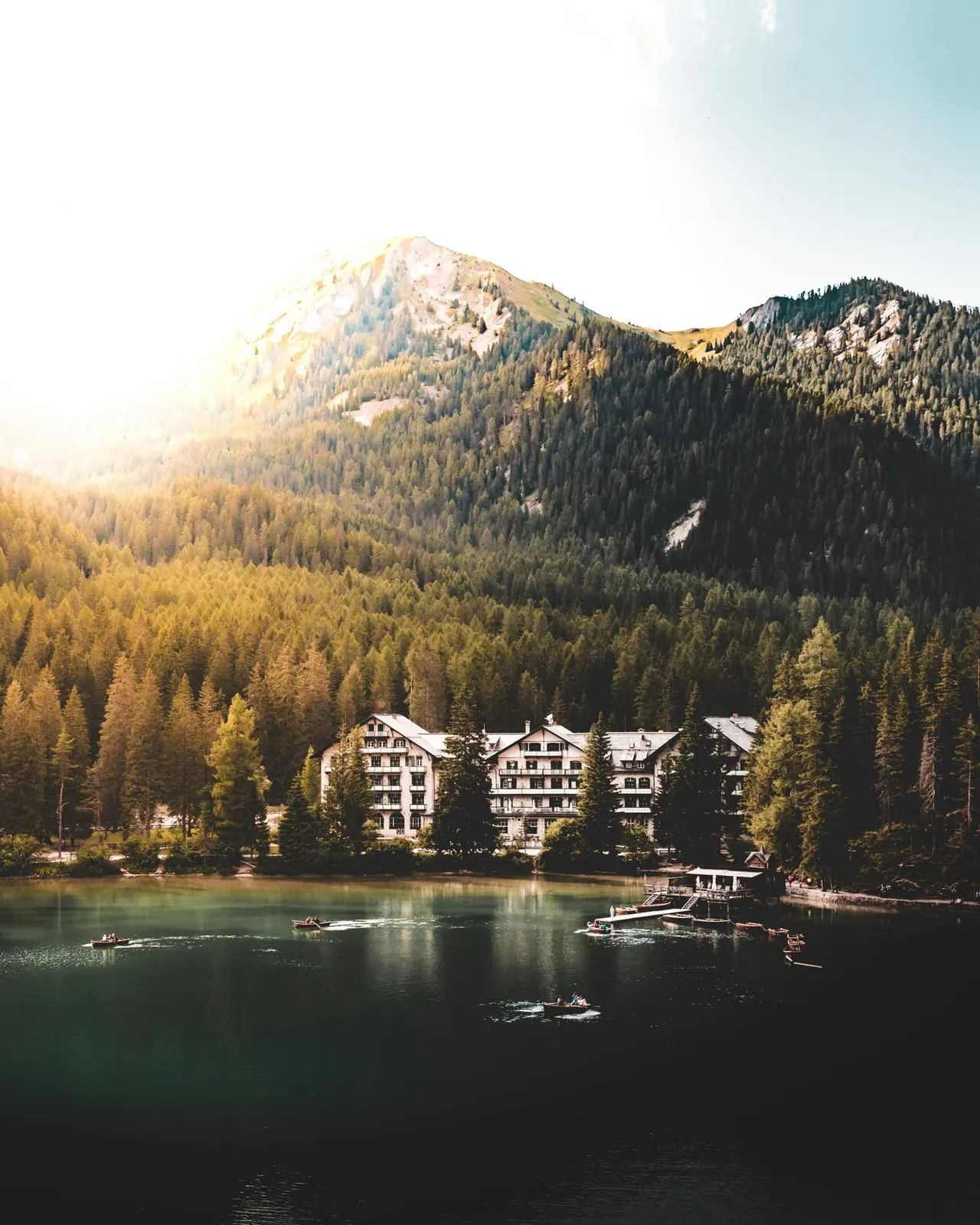
If I had to pick one mountain experience that surprises people most, it would be this one. Summer walking holidays in the Alps are genuinely one of the great underrated pleasures of European travel, and almost nobody talks about them.
All that infrastructure built for winter skiing, the cable cars, the mountain railways, the network of high-altitude paths, stays in place through the warmer months. And suddenly you have access to places that are genuinely hard to reach any other way. High passes. Remote valleys. Meadows full of wildflowers at altitude in June and July. Ridgelines with views that stop you mid-sentence. The Alps in summer are a completely different world from the Alps in winter, and in many ways a more interesting one.
The routes are extraordinary. The Via Alpina threads through seven countries from Monaco to Trieste - you don't need to walk the whole thing, one or two stages built around a base in a good valley village gives you the essence without turning it into an expedition. The Dolomites in northeastern Italy are like walking through a painting; the rock formations are unlike anything else in Europe. And the Bernese Oberland, Grindelwald, Lauterbrunnen, Mürren, is the kind of scenery that makes you genuinely wonder why you ever went anywhere else.
What I love about this kind of trip is that you move slowly. You earn the views. You stop in a mountain hut for lunch and actually talk to people. It is the complete opposite of ticking things off a list, and for the right traveller, it's absolutely the point.
The logistics matter here more than most people expect: getting the pacing right, choosing accommodation in the right villages, knowing which routes suit which levels of fitness. It's exactly the kind of thing worth talking through properly.
If that sounds like the kind of trip you've been looking for, I'd love to help you plan it.
Family mountain holidays: outdoor adventures for all ages
The mountains are particularly good at something that is genuinely difficult to find in family travel: experiences that work for everyone at the same time, not just the adults or just the children.
A nine-year-old on a via ferrata, a protected climbing route with fixed cables and iron rungs set into the rock face, is having the best day of their life. Their parents, following the same route, are also having the best day of their life. The shared physical challenge, the genuine sense of achievement at the top, and the view that greets you when you get there is one of those rare travel experiences that everyone in the group actually remembers.
Beyond via ferrata, mountain destinations offer a remarkable range of outdoor activities that have nothing to do with skiing. White-water rafting on the rivers that run through alpine valleys. Mountain biking on purpose-built trails, with a cable car to carry bikes and riders to the top. Zip lines and outdoor adventure parks built into the forest canopy. Mountain karting. Paragliding for those old enough and brave enough. Guided nature walks that work for children who want to actually understand the landscape they're moving through.
The mountains offer something that is hard to price: genuine curriculum extension in the real world. Geology. Ecology. Weather systems. River formation. Engineering, in the form of the tunnels and viaducts that thread through the landscape. History, in the form of the mountain passes that shaped European trade routes and military campaigns for centuries.
For younger children, well-designed alpine resorts have thought carefully about this too. Dedicated play areas and adventure playgrounds built into the landscape, gentle nature trails with stopping points that actually hold a child's attention, and the simple magic of snow, open space, and a packed lunch eaten at altitude. It works at any age. The mountains have a way of entertaining small people that no indoor play centre has ever managed.
Families who have tried this kind of trip often come back wanting to do it again the following year, which tells you something.
Getting the right resort matters more than most people realise. Some mountain villages are set up beautifully for families in summer. Others are ski resorts that are merely tolerating the off-season. I know the difference, and it changes the experience significantly.
Ready to start building a mountain adventure for your family? Fill in my enquiry form.
Why Plan Your Holiday With Me?
I'm Rachael. I plan tailor-made holidays for curious travellers who love comfort. New experiences, lovely places to stay and someone looking after the details.
Design
I listen first, then shape your holiday around what you enjoy and what makes you comfortable. From the route to your room, with time to explore and time to relax.
Discover
With trusted specialists and local experts, I find distinctive places to stay and experiences that help you get to know a destination, chosen around your interests.
Travel well
I contact your hotels before you arrive, reconfirm your stay and share your preferences. I ask about upgrades and thoughtful extras where available, and support you until you're safely home.
Christmas markets and winter escapes
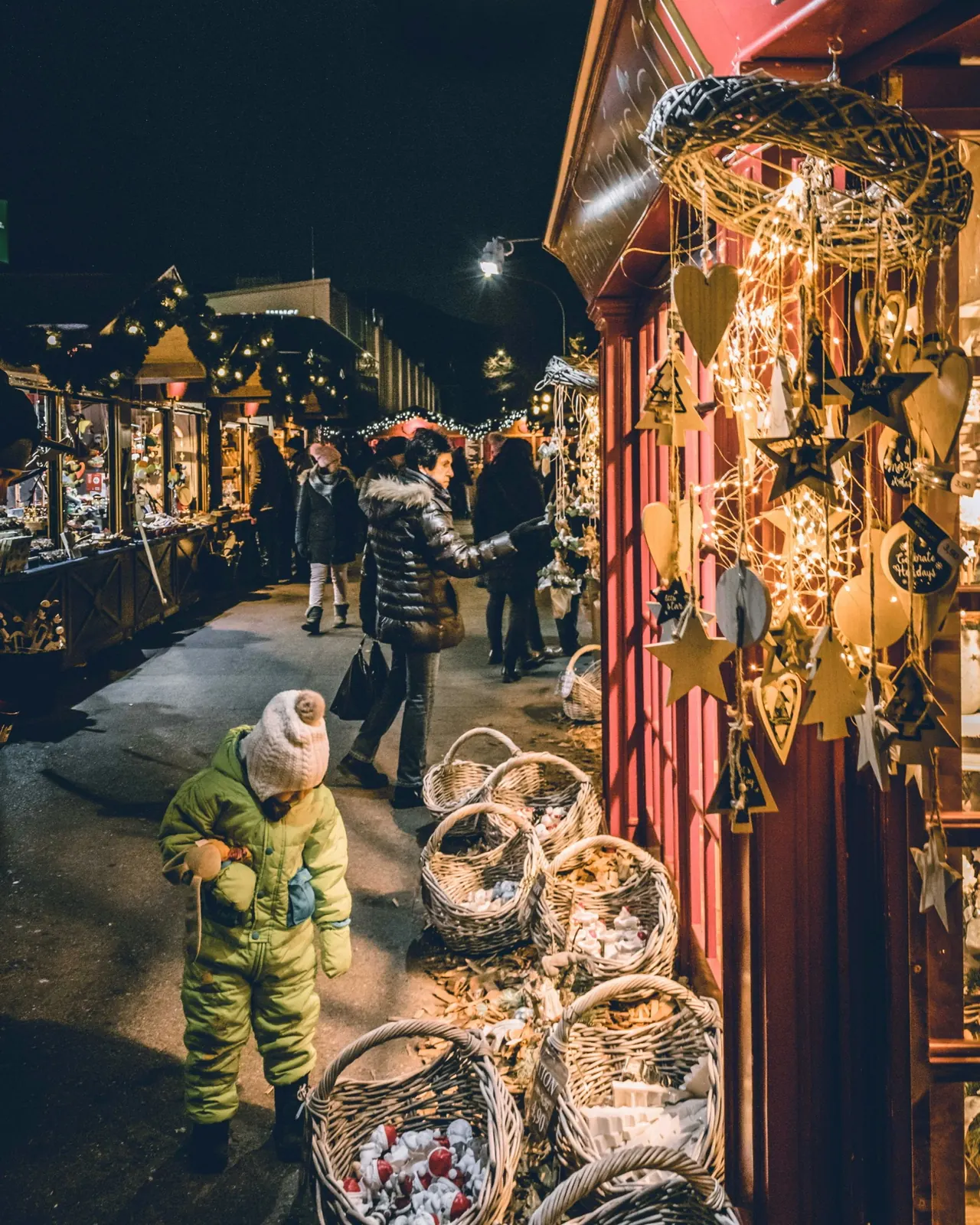
The alpine Christmas market is a category of travel that sounds like a cliché until you actually do it, and then you understand why people go back every year.
What makes mountain Christmas markets different from their city equivalents, the much-photographed ones in Prague, Vienna, and Strasbourg, is the setting. A market in a village at altitude, with snow on the surrounding peaks and wooden chalets lit by lantern light, has an atmosphere that is almost impossible to manufacture somewhere flat. The ones that have existed for decades, run by local producers rather than imported stall-holders, carry something genuinely worth experiencing.
The Austrian Tyrol does this exceptionally well. Innsbruck has one of the finest Christmas markets in Europe, set against a medieval old town with the Alps framing the view from every direction. But the smaller village markets are often more memorable. Seefeld, Kitzbühel, and the villages of the Stubai valley all offer quieter, more personal versions that many visitors find far preferable.
In Switzerland, the Montreux Christmas market on the shores of Lake Geneva combines mountains, lake, and Christmas atmosphere in a way that doesn't quite exist anywhere else. Bern's old town market and Zurich's converted tram depot are both worth seeking out. In France, the Alsace-adjacent options in Colmar and Strasbourg are well-known, but crossing into the mountain villages of the Vosges or the Jura adds a dimension most visitors never reach.
A well-timed winter mountain escape doesn't have to be a week away. Two or three nights, in the right place, can be a genuinely memorable pre-Christmas trip for couples or for families who want to do something a little different this year. The trick is picking somewhere that has the atmosphere you're after without the crowds that come with the most famous names. Getting that balance right takes a bit of local knowledge, and it's exactly the kind of thing I enjoy helping people with.
Ready to start planning a winter escape? Fill in my enquiry form.
Planning mountain holidays that work for you
The honest thing about mountain holidays is that there's no single right answer. What makes one person's perfect trip would leave someone else completely cold. A couple who want to walk all day and collapse over dinner in a good restaurant need a completely different resort from a family with young children, or someone who's come specifically to do nothing more strenuous than choose a spa treatment.
That's actually what I enjoy about planning this kind of trip. There's so much to work with. The right mountain holiday for you is in there somewhere, and working out which one it is is the interesting part.
If anything in this post has made you think the mountains might be more your kind of thing than you'd realised, I'd genuinely love to hear from you. Tell me what you want to experience, and I'll take it from there.
Ready to start planning? Fill in my enquiry form.
FAQs About Mountain Holidays
When is the best time to visit the Alps for a non-skiing holiday?
Summer, from late June to September, is wonderful for walking, hiking, and wellness breaks. The cable cars and mountain railways all operate, wildflowers are at their peak in July, and the crowds are smaller than at peak ski season. Late November through December is ideal for Christmas markets and the first proper snowfall without the busiest ski weeks.
Do you need to be fit to enjoy a mountain holiday without skiing?
Not at all. The beauty of a non-skiing mountain break is that you choose your own level. Wellness and spa retreats involve very little physical effort. Gentle valley walks are accessible for all ages and fitness levels. Walking and hiking holidays can be tailored to whatever pace suits you - there is no reason to push yourself up a via ferrata if a lakeside stroll with good coffee sounds more appealing.
Which Alpine country is best for a spa and wellness break?
Austria is hard to beat. The Tyrol in particular - resorts like Seefeld, the Otztal valley and Kitzbuhel - has built a genuine reputation around wellness rather than just skiing. Switzerland's Engadin valley and Bad Ragaz are also excellent. For something a little more accessible, the French Alps have some genuinely underrated options that tend to be easier on the budget.
Are mountain holidays suitable for families with young children?
Very much so, and often more so than people expect. Mountain resorts set up for summer offer adventure parks, gentle nature trails, cable car rides, and the simple magic of open space and new landscapes. Children who are bored at the beach often thrive in the mountains. The key is choosing a resort that genuinely caters for families in the summer season rather than simply tolerating off-season visitors.
Is a mountain holiday very expensive?
It varies enormously. Some Swiss resorts are among the most expensive places to stay in Europe. Austrian and French mountain destinations tend to offer much better value. A late spring or early autumn trip also tends to cost less than peak summer or Christmas weeks. I can always find options that suit the budget you are working with.
You Might Also Like