
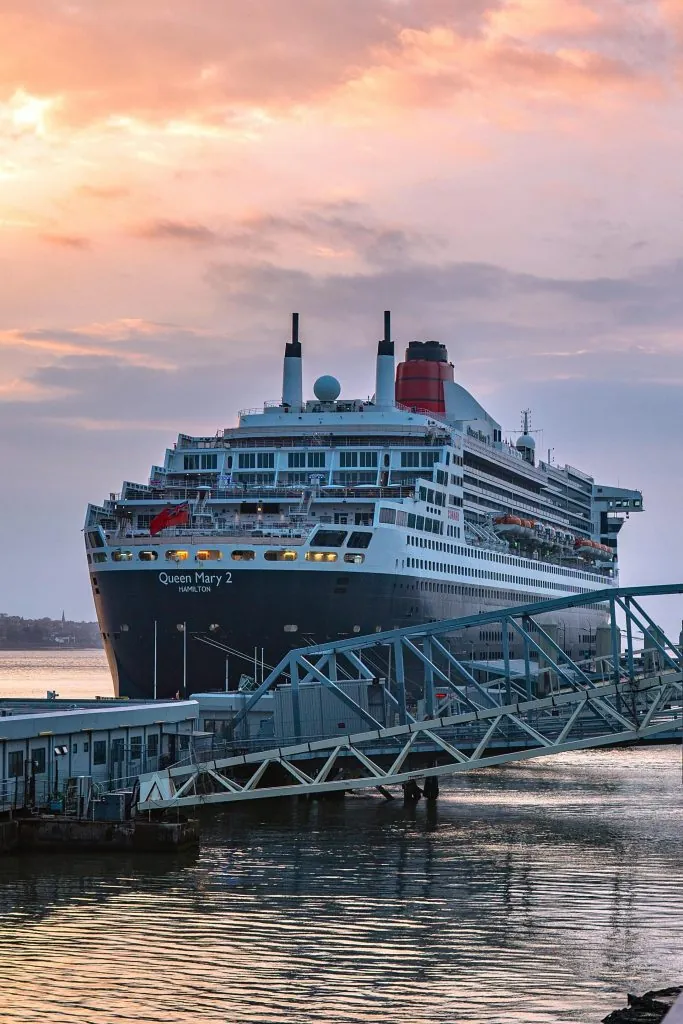
No fly cruises from the UK are one of the most searched holiday types in Britain right now. The trouble is, most of what you find is a wall of deals with no real guidance on which one is actually worth your time. This guide is different. It’s here to help you think, not just browse.
In This Guide
No-fly cruises are one of my most recommended options for clients who are anxious about flying, travelling with a lot of luggage, or simply want the holiday to start the moment they leave home. There is something genuinely different about driving to Southampton, handing over your bags at the terminal, and walking straight onto a ship bound for Norway or the Canaries - no security queues, no weight restrictions, no jet lag. I book these for clients across a wide age range, from families with toddlers to retired couples celebrating significant birthdays. The Norwegian Fjords from Southampton is the first cruise I recommend to people who have never cruised before.
In This Guide
What Is a No Fly Cruise from the UK?
A no fly cruise departs from a UK port and returns to the same port. No flights involved. You travel to Southampton, Dover, Liverpool, Newcastle, or one of several other regional ports, board your ship, and sail directly to your destination.
The difference from a fly-cruise: with a fly-cruise, you board a plane to join a ship abroad, often in the Mediterranean or Caribbean. A no fly cruise brings the ship to you. You unpack once. The itinerary unfolds around you.
In 2026 and 2027, the cruise lines operating from UK ports include P&O Cruises, Cunard, Fred Olsen, Saga, Celebrity Cruises, MSC Cruises, Ambassador Cruise Line, and Royal Caribbean. Between them they cover dozens of itineraries, dozens of ships, and destinations from the Norwegian fjords to New York.
Why Choice Is the Hard Part
Most people approach a no fly cruise the same way. Pick a destination. Filter by price. Read a few reviews. Book.
The problem is that two cruises to the same destination on different ships can be completely different holidays. A Norwegian fjords itinerary on a 4,000-passenger ship with a waterpark and twelve restaurants is nothing like the same route on a 1,200-passenger ship with one dining room and a lecture series on Norse history. Both are technically correct answers to “Norwegian fjords no fly cruise from UK.” Only one is the right answer for you.
The destination is almost never the most important decision.
The questions that shape whether you’ll love a no fly cruise are subtler than destination and price. How many days at sea can you genuinely enjoy? Do you want the ship to feel like a destination in itself, or do you want it to disappear into the background? What does a good day look like when you’re not in port? How much does the atmosphere on board matter to you?
These are the things worth thinking about before anything else. They’re also the things most booking sites never ask.
The Questions That Actually Matter
Rather than a list of cruise lines with descriptions, here are the things worth sitting with before you start comparing itineraries.
How do you feel about days at sea?
No fly cruises from UK ports often mean longer voyages, which means more sea days. Southampton to the Canary Islands involves several days at sea each way. For some travellers that’s the point: proper rest, good food, no schedule. For others it’s something to endure.
There’s no wrong answer, but your answer significantly narrows the field. Some cruise lines are built around the sea day experience. Others pack itineraries with port stops and minimise time at sea. Getting this wrong is one of the most common reasons people come back from a cruise feeling vaguely disappointed without quite knowing why.
What kind of atmosphere do you want on board?
Cruise ships have distinct personalities, and so do their passengers. Some feel lively and sociable, with entertainment at every turn. Others are quieter and more refined, built around enrichment programmes and conversation. Some are adult-only. Others are designed around families.
None of these is better than another. Arriving on the wrong one, though, is genuinely deflating, and entirely avoidable.
What size of ship suits you?
Ship size affects almost everything: the ports you can access, how busy the corridors feel, whether you’ll see the same faces every day or disappear into a crowd. The range on no fly cruises from UK ports goes from intimate ships carrying around 700 passengers to vessels accommodating 5,000 or more.
First-time cruisers often assume bigger is better. Sometimes it is. Often it isn’t.
What’s the real cost of what you’re comparing?
Cruise pricing is not straightforward. A lower headline fare can become expensive once you add drinks, Wi-Fi, gratuities, and shore excursions. Some cruise lines include most of this. Others don’t. The right comparison isn’t between headline fares. It’s between the total cost of the holiday you’d actually have.
Understanding this before you start comparing prices saves a lot of confusion, and sometimes a significant amount of money.
These are the conversations worth having before you look at a single itinerary.
Ready to start planning?
Fill in my enquiry form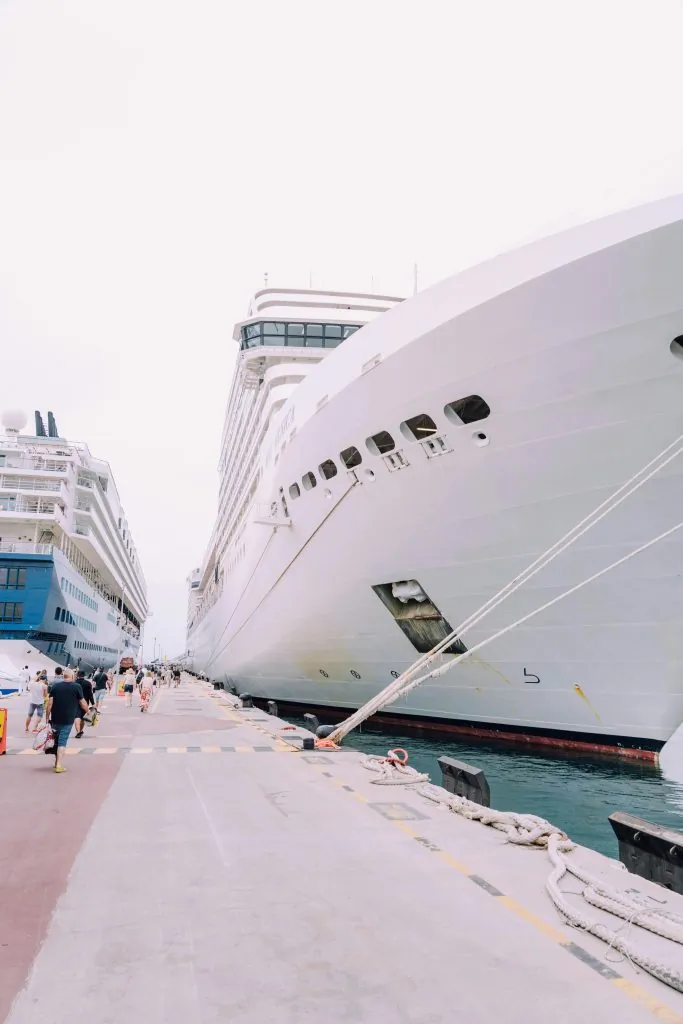
Which UK Port Should You Leave From?
Southampton is the cruise capital of the UK and has by far the widest choice of cruise lines and itineraries. If you’re within two hours of the south coast, it’s almost certainly your starting point.
Dover suits Kent, Surrey, and East Sussex well. Fewer options than Southampton, but strong itineraries to the Mediterranean and Northern Europe.
Liverpool serves the north-west and Wales, with fjord, Iceland, and Northern European sailings available.
Newcastle (Port of Tyne) is a reliable option for the north-east, with several cruise lines operating from here.
Belfast, Edinburgh (Rosyth), and Greenock near Glasgow offer further regional options, particularly useful for Scottish and Northern Irish travellers who’d otherwise face a long journey south.
The honest advice: let the cruise determine the port, not the other way around. Don’t rule out a cruise because the departure port isn’t the closest to you. A longer drive to Southampton to board the right ship is almost always worth it.
Where Can No Fly Cruises from UK Ports Actually Take You?
More than most people expect. Here’s a realistic picture:
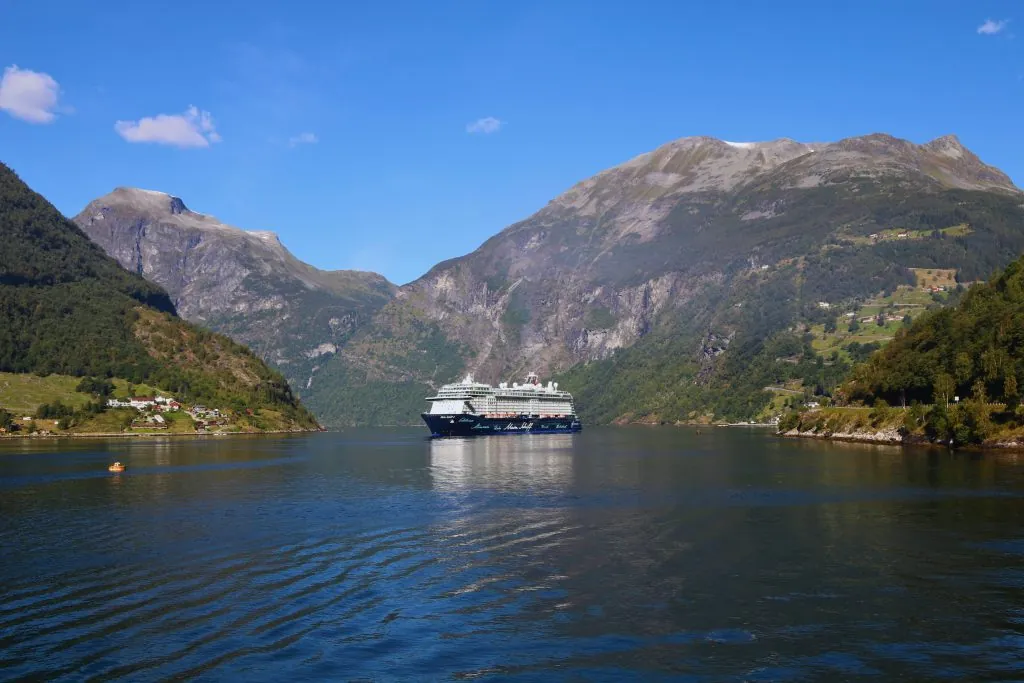
Norwegian Fjords. Bergen, Flam, Geiranger. Ships reach the fjords in two days from Southampton. Best from May to September, with some lines running Northern Lights voyages in winter. See what awaits at Visit Norway.
The Mediterranean. Spain, Portugal, Italy, Croatia, Greece. Longer itineraries mean more sea days to get there. Some travellers love that. Others don’t. Worth being honest with yourself about which camp you’re in.
The Canary Islands. Tenerife, Gran Canaria, Lanzarote, Fuerteventura. You arrive rested, with all your luggage, without airport chaos.
The Baltic. Tallinn, Stockholm, Copenhagen, Helsinki, Hamburg. Historically rich, architecturally beautiful. Best from late spring to early autumn.
The British Isles and Ireland. Guernsey, the Scottish Isles, Dublin, Belfast, Orkney. Consistently underestimated, and genuinely lovely.
Iceland. Reykjavik, coastal fjords, geothermal landscapes. No flight required.
New York. Cunard’s Queen Mary 2. Seven nights from Southampton to Manhattan. There is nothing else quite like it.
If you’re also curious about river cruising as an alternative way to explore Europe without flying, my guide to your first European river cruise covers who it suits and what to expect.
What About Shore Excursions?
This is where most cruise holidays either come alive or quietly disappoint, and where most people don’t realise they have more options than the ship’s own excursion list.
The cruise line’s organised shore excursions are convenient and well-managed. The ship won’t leave without you if the tour runs late, the operators are vetted, and booking is straightforward. For unfamiliar destinations or ports where logistics are genuinely complex, they can be the right call.
But they come with trade-offs. Coach tours with forty or fifty other passengers. Generic highlights rather than the things you actually care about. Prices that add up quickly, typically £80 to £150 per person per excursion, sometimes significantly more.
What most cruisers don’t realise is that there’s a middle ground. I work with specialist shore excursion companies, operators whose entire focus is getting cruise passengers ashore and back well. They know the ship schedules, they build in the time needed, and they get you back before the gangway goes up. If your ship is delayed arriving in port or the itinerary changes, the excursions I book can be cancelled without penalty. You’re not left out of pocket because the sea had other plans.
Within that, there’s real room to choose experiences that fit you rather than fit a coach schedule. That might mean a private food tour through a covered market in Cadiz rather than a bus to the cathedral. A guided kayak through a Norwegian fjord with a local expert rather than a boat full of strangers. An afternoon in a family-run port wine cellar in Porto rather than a group tasting at one of the big lodges. Time with a guide who knows the back streets, not the tourist route.
These experiences cost roughly the same as ship excursions, sometimes less, and the difference in what you actually get from a day in port is significant.
When you enquire, this is one of the first things we’ll talk about: how do you want to spend your time ashore?
The Blue Turtle Escapes Difference
I'm Rachael, and booking through me costs you nothing.
Here is what it adds.
Design
I listen first. How you travel, what you've loved before, what you'd rather avoid. Then I design your holiday with you. You work with one person, start to finish.
Discover
I work with 200 trusted partners who have actually been there. I pick the right ones for you, then work closely with them on every detail.
Travel well
Before you arrive, I tell the people looking after you what matters to you. And you have my support from when you first contact me until you're home.

Questions People Always Ask
Is a no fly cruise more expensive than a fly cruise?
Sometimes slightly more per cabin. But you’re not paying for flights, airport transfers, or an overnight hotel before an early departure. When you strip those costs out, most travellers find the overall price compares better than they expected. Sometimes it works out less.
How long does it take to get to the destination?
It depends on where you’re going. The Norwegian fjords are two days from Southampton. The Canary Islands take around four to five. The Mediterranean takes longer, typically five to seven sea days across the round trip. This is one of the questions that shapes which cruise is right for you, and it’s one we’ll work through together.
Is a no fly cruise suitable for first-time cruisers?
Yes, and arguably better suited to first-timers than a fly-cruise. Everything starts from home. There’s nothing unfamiliar before you even board. The ship’s routine becomes clear quickly, and the whole experience is designed around making things easy. Most people who’ve been hesitant about cruising find a no fly cruise significantly less daunting than they expected.
What if I get seasick?
Modern ships have stabilisers that significantly reduce motion, and conditions in European waters are generally calmer than open ocean routes. Many people who’ve felt unwell on a channel crossing find cruising in the Baltic or Mediterranean completely comfortable. If seasickness is a genuine concern, it’s worth discussing when we talk through options. Some itineraries and ship types are noticeably smoother than others.
Do I need a passport?
Yes, even on a no fly cruise. You’re visiting foreign countries, so your passport needs to be valid for at least six months beyond your return date. Check this well in advance. It’s one of the things people most often forget until it becomes urgent.
How far in advance should I book?
For popular itineraries, the Norwegian fjords in summer, Baltic cruises, Christmas market sailings, 12 to 18 months ahead is sensible if you want real choice of cabin. For less in-demand routes or shoulder season sailings, six months is usually comfortable. Last-minute deals exist but availability and cabin choice are limited.
Can I explore independently in port rather than take an excursion?
Absolutely. You can walk off the ship in most ports and do whatever you like. Many ports are perfectly easy to navigate on your own. I’ll always flag which ones suit independent exploration and which genuinely benefit from a guide or pre-arranged transport, particularly where the best things to see are further from where the ship docks than they look on a map.
You Might Also Like
What Booking Through Me Actually Gets You
The booking sites show you every no fly cruise from the UK on the same page. That’s useful once you know what you want. It’s less useful when you don’t, because the answer to “which cruise?” isn’t a filter.
Here’s what’s different about working with me.
The price is the same. I’m commission-based, which means my fee comes from the cruise line, not from you. The price you’d see on P&O’s website is the price you pay through me. You don’t pay more. You might occasionally pay less, if a group rate or unadvertised promotion applies.
You get someone who knows the detail. Not just which cruise line broadly suits you. Which cabin category is worth the upgrade, which deck to avoid, which dining options to book before you board, and which ports reward independent exploration versus a guided experience.
Shore excursions that actually fit you. Rather than defaulting to the ship’s coach tour list, I source independent and small-group experiences in port that match how you actually want to spend your time ashore. The food lover doesn’t need the same afternoon as the history enthusiast or the family with young children.
One point of contact for everything. Cruise, pre-cruise hotel, transfers, travel insurance, excursions. If anything changes or goes wrong before or during your holiday, you first contact me. I handle it. You’re not navigating a cruise line’s phone queue alone.
Someone in your corner. If your cabin isn’t what you expected, if there’s a dining issue, if something needs sorting, I advocate for you with the cruise line directly. That’s a different relationship to booking as an individual customer.
Your money is protected. Every booking is fully covered under ATOL and PTS through The JLT Group.
If you’re thinking about a no fly cruise and want to start a conversation before committing to anything, fill in my enquiry form and we’ll take it from there.
Looking for more ideas? Explore all our Cruise Travel Guides in one place.