
If you have been thinking about a river cruise but are not quite sure where to start, you are in good company. Most people come to me at exactly that point: drawn to the idea, a little overwhelmed by the options, and not entirely sure how to tell one cruise line from another.
In This Guide
- Why the cruise line matters more than the river
- What makes the best river cruise lines different from each other
- Rivers of the world: where could you go?
- How to know which river cruise line suits you
- What booking direct actually means
- How I match people to the right river cruise
- River cruising done right
- FAQs about river cruise lines
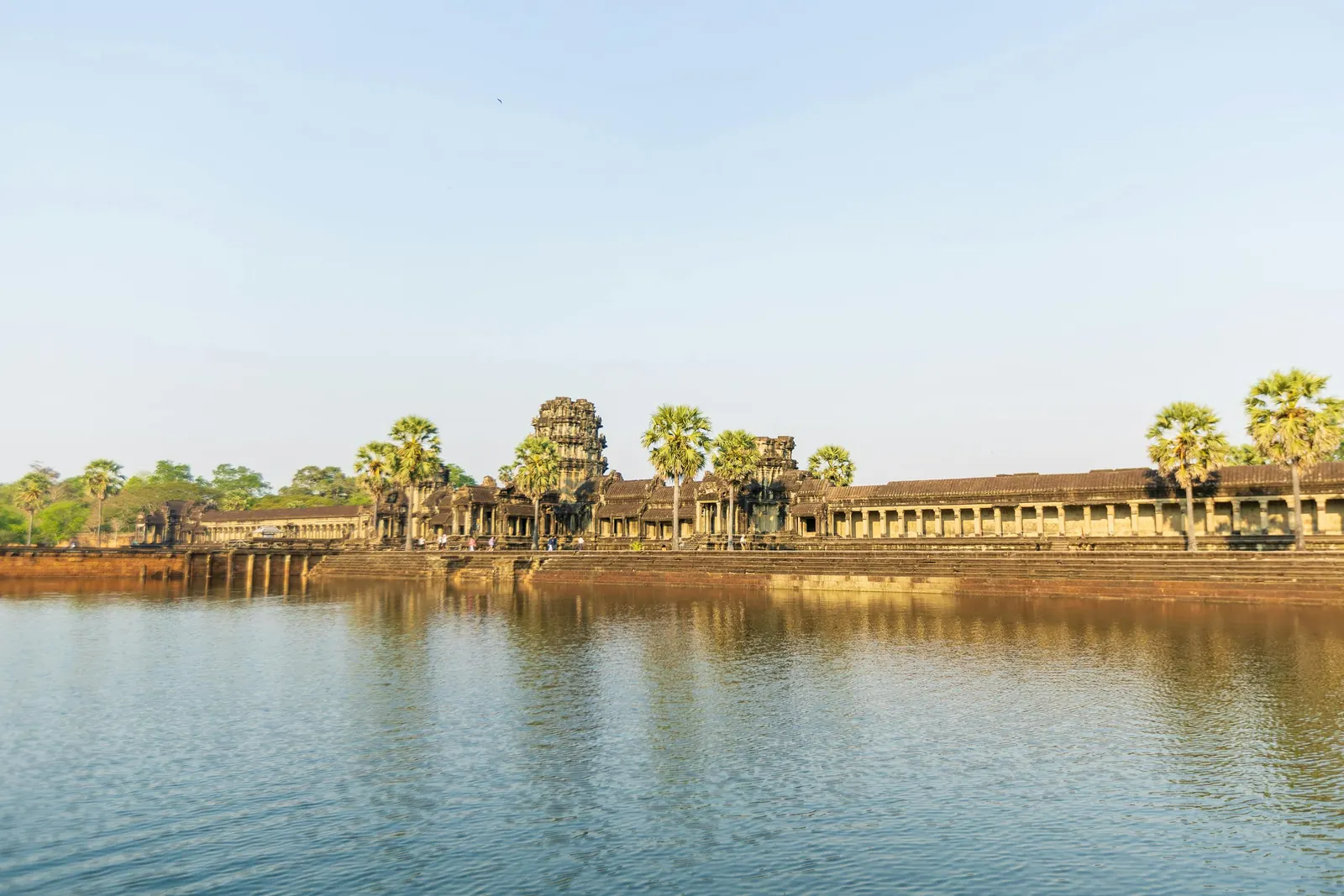
There is a moment, somewhere on the water, when river cruising makes complete sense. It might be watching the temples of Angkor rise above the Mekong at dawn, or the vine-covered gorge of the Rhine sliding past the window with a coffee in hand, or the banks of the Nile unchanged in ways that make history feel suddenly close. You are not rushing to catch a train or repacking your suitcase. You wake up somewhere new, walk off the ship, and you are already in the middle of it.
The question that shapes whether that experience is everything you hoped for is not which river to choose. It is which of the best river cruise lines is right for you.
I currently partner with seventeen river cruise lines across Europe, Asia, Africa, and the Americas, and the market is growing. Ocean cruise companies are moving into river cruising, which means more choice than ever, but also more reason to have someone in your corner who knows which lines are worth considering and which are the gold standard for a particular river or travel style.
Whether you are travelling as a couple, a family, a group, or on your own, I am not looking for whichever line has availability. I am looking for the line that suits you, on the river that suits you, at the right time of year.
Why the cruise line matters more than the river
Think of it this way. The river is the road. The cruise line is the car, the driver, the hotel, the restaurant, and the tour guide, all at once.
Two people can travel the same stretch of the Danube on different ships in the same week and come home with completely different experiences. One finds the pace too slow, the excursions too regimented, the atmosphere not quite right. The other finds exactly what they were looking for.
That difference comes from the cruise line. Not the river.
Get matched to the right line, and the river almost takes care of itself.
What makes the best river cruise lines different from each other
This is where it gets interesting, and where a lot of people find themselves going in circles online. The river cruise market spans a much wider range than most people expect, from premium all-inclusive lines where almost everything is covered in the fare, to more flexible options where excursions and drinks are priced separately. Ships carry anywhere from around eighty passengers to nearly two hundred. The atmosphere on board varies just as dramatically.
Excursions are often where the real differences show up. Picture arriving in a beautiful riverside town on a warm morning. On some lines, you are joining a guided group walk whether you want to or not. On others, you choose: spend the morning in a local cooking class learning dishes you will actually make at home, hire a bicycle and follow the riverbank at your own pace, wander through the market streets without an agenda, or stay on the ship with a coffee and a good book. If you are someone who switches off when told where to be and when, that distinction matters enormously.
Food is another dividing line. Some lines are genuinely known for local cuisine, regional wines, and cooking demonstrations that connect you properly to the places you pass through. On a Mekong sailing, that might mean a Vietnamese cooking class in a riverside village. On the Douro, it might mean a wine tasting on the terraced hillsides of the Port wine country you are travelling through. Others serve a more international menu wherever the ship happens to be. Neither is wrong. They suit different people.
Pace varies too. Some itineraries are port-heavy, with something to explore almost every day and the ship moving overnight so you wake somewhere new. Others build in gentler sailing days, stretches where the countryside simply moves past the window and the agenda is entirely your own. If you are someone who genuinely wants to slow down on holiday, a relentless port schedule will exhaust rather than delight you, whether you are on the Rhine or the Amazon.
And then there is the atmosphere on board. Some ships feel like a convivial dinner party where you quickly know everyone by name. Others are quieter and more independent, better suited to people who like their own company after a day of exploring. Neither is better. But knowing which you would prefer before you book makes a real difference.
Cabins are worth thinking about earlier than most people do. On European river ships, there is a meaningful difference between a lower-deck cabin with a fixed window, a French balcony where the window opens fully but you remain inside, and a full walk-out balcony where you can step outside and watch the world go by with your morning coffee. Some lines have far more balcony cabins than others. If that feeling of being on the water rather than merely beside it matters to you, it should be part of the conversation from the start.
Rivers of the world: where could you go?
One of the things I love most about river cruising is the sheer range of the world it opens up. If you have only seen it advertised as a European holiday, you might be surprised by how far it reaches.
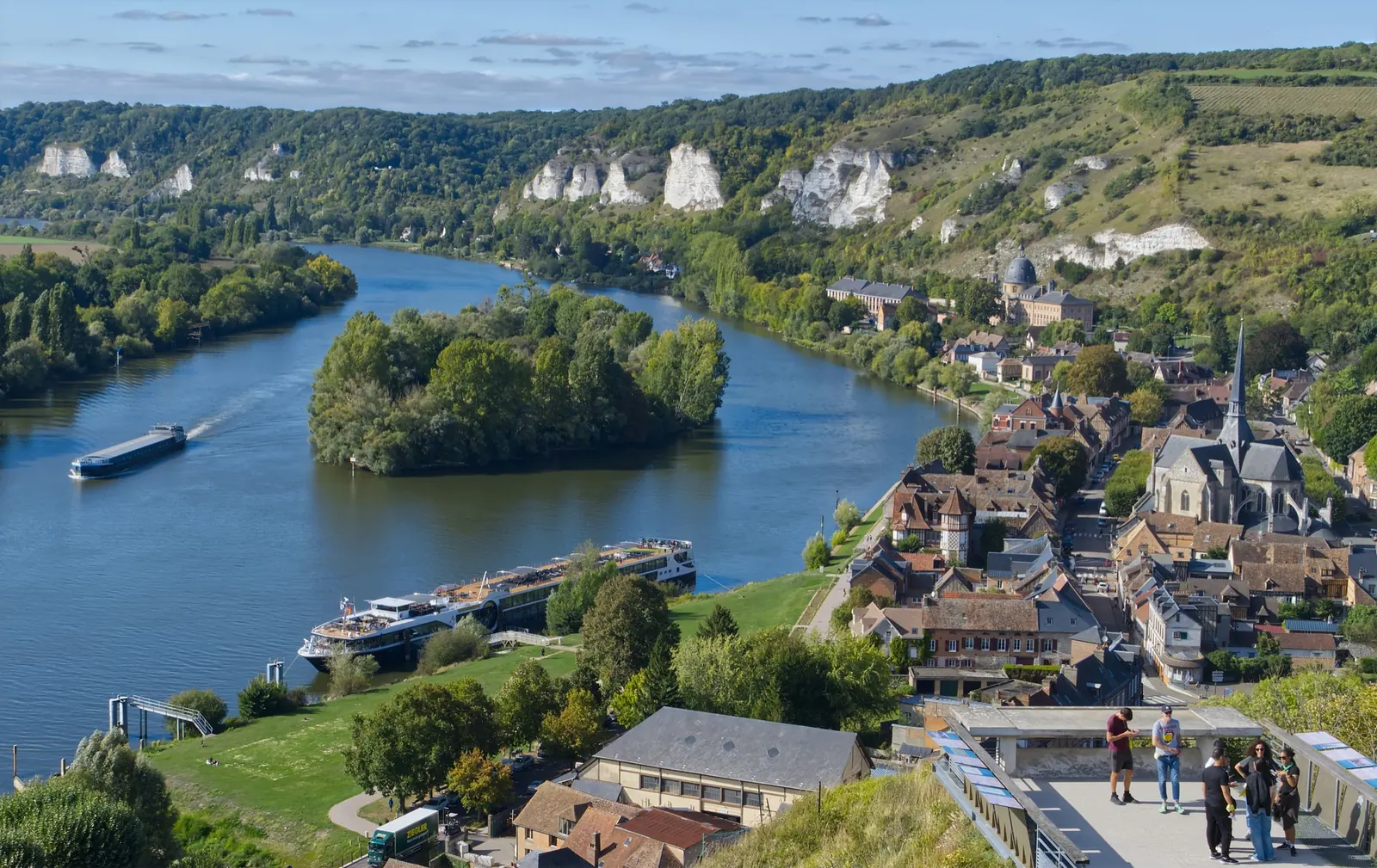
In Europe, which is where most UK travellers begin, the Danube is the classic: the great capital cities from Passau or Nuremberg through Vienna and Budapest, connected by one of the most celebrated rivers in the world. The Rhine offers something different, vineyards, medieval towns, and the dramatic Rhineland gorge that has been painted and written about for centuries. The Douro winds through the steep hillside terraces of northern Portugal, and a sailing here feels remarkably intimate compared to the bigger European rivers. The Rhône takes you through Burgundy and Provence. The Seine flows through Normandy and into Paris. And the Moselle, the Main, the Elbe, and the Dutch and Belgian waterways each have their own distinct character, from the tulip fields of the Netherlands in spring to the Reformation history of the Elbe corridor.
In Asia, the Mekong connects Vietnam and Cambodia in a way that no other form of travel quite replicates, moving between floating villages, ancient temples, and rice paddies at a pace that genuinely suits the region. It is one of those rivers where the journey is the point. The Yangtze in China offers the Three Gorges and a journey through one of the world's great civilisations. The Ganges in India is unlike anything else, a deeply spiritual river where the experience is as much about the extraordinary culture on its banks as the water itself.
In Africa, the Nile remains one of the truly great travel experiences: Luxor, Karnak, the Valley of the Kings, and Aswan, seen from a ship moving at something close to the pace the pharaohs would have known. The Chobe in southern Africa takes you into the wildlife-rich landscapes of Botswana, Zimbabwe, and Zambia, with game viewing from the water and on land. These are expedition-style sailings on smaller specialist vessels, and they suit a particular kind of traveller: someone who wants immersion in the natural world rather than the polished amenities of a European river cruise.
In the Americas, the Mississippi is a journey through American history and music, from New Orleans north through Civil War country and Mark Twain territory. The Amazon is a genuine expedition, the world's largest river system and one of the most biodiverse places on earth. The Columbia and Snake Rivers in the Pacific Northwest offer a very different America: dramatic high desert landscapes and the Lewis and Clark trail.
Each of these rivers requires a different cruise line, a different style of ship, and a different kind of planning. If one of them has caught your attention, I can tell you which lines operate it and which would be the right fit for you.
Wondering which river might suit you? {Ready to start planning? Fill in my enquiry form and let's talk it through.}(enquiry.html)
How to know which river cruise line suits you
Here is the honest truth: the best river cruise lines for someone else may be entirely wrong for you. And that is fine. The goal is not to find the most popular line or the one with the most reviews. It is to find the one that fits.
Start with how active you want to be. Some lines have built cycling into their offering, with bikes available at European ports so you can follow a riverside route or explore a town independently at your own pace. Others have little to no active offer and are designed for a more relaxed, unhurried experience. If you love the idea of cycling along the banks of the Rhine between ports, that narrows the choice considerably. If that sounds exhausting, it narrows it in a different direction.
Think about how much you want included in the price. Some people love knowing that the wine with dinner, the guided tours, and the airport transfers are all already covered. Others are not particularly interested in things they might not use and would rather have a lower base price with flexibility to add what they want. River cruise lines vary significantly on this, and the price difference between heavily inclusive and more modular lines on the same river can be considerable.
Think about how much space you want around you. River ships are broadly similar in length, constrained as they are by the locks and waterways they navigate, but the number of passengers on board varies considerably. Some lines pack their ships closer to capacity, which keeps prices lower but means busier dining rooms, more competition for the best sun deck spots, and smaller cabins. Others carry significantly fewer passengers on the same size vessel, which translates to more generous cabin sizes, multiple dining options rather than a single restaurant, and a quieter, more unhurried atmosphere throughout the ship. If you have ever felt slightly crowded on a holiday and wished for more breathing room, that passenger-to-space ratio is worth prioritising from the start.
Consider how deeply you want to engage with history and culture. Some lines employ genuinely expert guides who can go well beyond the surface of a place. On a Nile cruise, the difference between a knowledgeable guide and an outstanding Egyptologist is considerable. On the Yangtze, a historian who can speak to what you are actually seeing changes the experience entirely. Others are thorough and professional without being scholarly. Both are valid. They suit different travellers.
And think about the kind of people you like to be around on holiday. Some ships feel like a convivial house party by the end of the first evening. Others feel more independent, where people come together for dinner and then go their own way. Neither is better. But if you find enforced sociability draining, it is worth knowing before you commit.
These are not trick questions. There are no wrong answers. The answers simply point somewhere, and that is where I come in.
What booking direct actually means
You can book directly with a river cruise line, and many people do. The websites are clear, the process is straightforward, and you can have something confirmed within a few clicks.
But here is what you will not have: someone who can tell you honestly whether that line is the right fit for you, or whether a different line on the same river at a similar price would suit you considerably better. The cruise line you speak to will tell you everything about their own ships and itineraries. They are not going to tell you where they fall short, or why a competitor might be a stronger match. That is not a criticism. It is simply the nature of the conversation.
When you book with me, that changes entirely. I partner with seventeen lines across multiple continents and have no incentive to steer you towards any particular one. The only goal is finding the right match for you.
Beyond the booking itself, I create a personal destination guide before you travel, covering the ports, the places worth your time, and the background that makes a destination make sense rather than just look pretty. If you want to extend your trip, I book pre and post-cruise hotels too, so the whole journey fits together properly from the very first night to the very last.
There is no planning fee. I am commission-based, which means my time costs you nothing at all.
If you are trying to work out where to begin, that is exactly the conversation I love having. Fill in my enquiry form and let's find the right river cruise for you.
Why Plan Your Holiday With Me?
I'm Rachael. I plan tailor-made holidays for curious travellers who love comfort. New experiences, lovely places to stay and someone looking after the details.
Design
I listen first, then shape your holiday around what you enjoy and what makes you comfortable. From the route to your room, with time to explore and time to relax.
Discover
With trusted specialists and local experts, I find distinctive places to stay and experiences that help you get to know a destination, chosen around your interests.
Travel well
I contact your hotels before you arrive, reconfirm your stay and share your preferences. I ask about upgrades and thoughtful extras where available, and support you until you're safely home.
How I match people to the right river cruise
I work in two ways, depending on where you are in your thinking.
Some people come to me already knowing which river they want. They have seen the Danube on a travel programme, or a friend has raved about the Douro, or the Mekong has been on their list for years. In that case, my job is matchmaking: working out which of the lines sailing that river is the right fit for you, given how you travel, what you want to experience, and what kind of atmosphere you want on board.
Others are not fixed on a river at all. They know they want to try river cruising, or they want to explore a particular part of the world, but they are genuinely open to where the water takes them. In that case, I start with you. What have you done before and what did you love about it? How active do you want to be? Are you drawn to history and culture, to wildlife, to food and wine, to simply being somewhere beautiful and unhurried? The answers point toward a river, and from there toward the right line on it.
Either way, I think carefully about what surrounds the cruise too. A river sailing rarely needs to begin and end at the embarkation port, and some of the best moments of a trip happen in the days around it. A few nights in Vienna before a Danube cruise. A couple of days in Porto at the end of a Douro sailing. Time in Ho Chi Minh City either side of a Mekong itinerary. Cairo before or after the Nile. New Orleans at the start of the Mississippi. I build these extensions with the same care as the cruise itself, because they are part of the same trip.
River cruising done right
River cruising at its best is one of the most genuinely satisfying ways to travel. You unpack once. The scenery comes to you. You are not rushing between hotels or queuing for transfers. And there is a particular pleasure in watching a place emerge from the water, seeing it from the angle most visitors never do, whether that is Budapest glowing at dusk, a Cambodian temple complex appearing through the early morning mist, or wildlife gathering at the banks of the Chobe as the afternoon light softens.
But the experience varies more than most people realise before they book. The line matters. The river matters. The cabin category matters. The timing matters. Getting those decisions right is the difference between a good holiday and one you are still talking about years later.
If you are curious about river cruising and would love some help working out where to start, I would genuinely love to hear from you. Europe, Asia, Africa, the Americas: wherever the river is, let's find the right one for you.
Ready to start planning? Fill in my enquiry form and let's find the right river cruise for you.
FAQs About River Cruise Lines
Which river cruise line is best for first-timers from the UK?
It really depends on your travel style rather than a single "best" answer, which is exactly why I have this conversation with every client before recommending anyone. That said, AmaWaterways, Avalon Waterways and Scenic are lines I'd often start a conversation with for European first-timers, as they offer a good balance of quality, variety and value. For a more intimate, expedition-style first cruise, Scenic Eclipse or Hurtigruten are worth exploring.
How far in advance should I book a river cruise?
For popular itineraries in peak season - Rhine and Danube sailings in summer, Christmas market cruises in November and December - I'd suggest booking 12 to 18 months ahead if you have a specific line or cabin category in mind. That said, I sometimes find availability closer to departure, so it's always worth asking even if you're late to the decision.
Are river cruises all-inclusive?
Not always. Some lines include almost everything in the fare - wine with dinner, guided excursions, airport transfers, and gratuities. Others price these separately, which can look more affordable upfront but adds up quickly. I always map out the full cost comparison before recommending one over another.
Can you do a river cruise as a solo traveller?
Yes. Several lines have solo cabins or reduced single supplements, and river cruises tend to suit solo travellers very well. The social atmosphere on a smaller ship is natural rather than forced, and excursions provide easy ways to meet other guests. I can advise on which lines are particularly well set up for solo guests.
What is the difference between a river cruise and an ocean cruise?
Quite a lot. River ships are much smaller, carrying between 80 and 190 passengers compared to thousands on ocean liners. You wake up in the centre of a city rather than a port on the outskirts. The focus is on the ports and destinations rather than onboard entertainment. There are no sea days, no casinos, and no formal nights. It is a fundamentally different kind of travel, and for many people who have found ocean cruises too busy or too large, river cruising is the answer.