
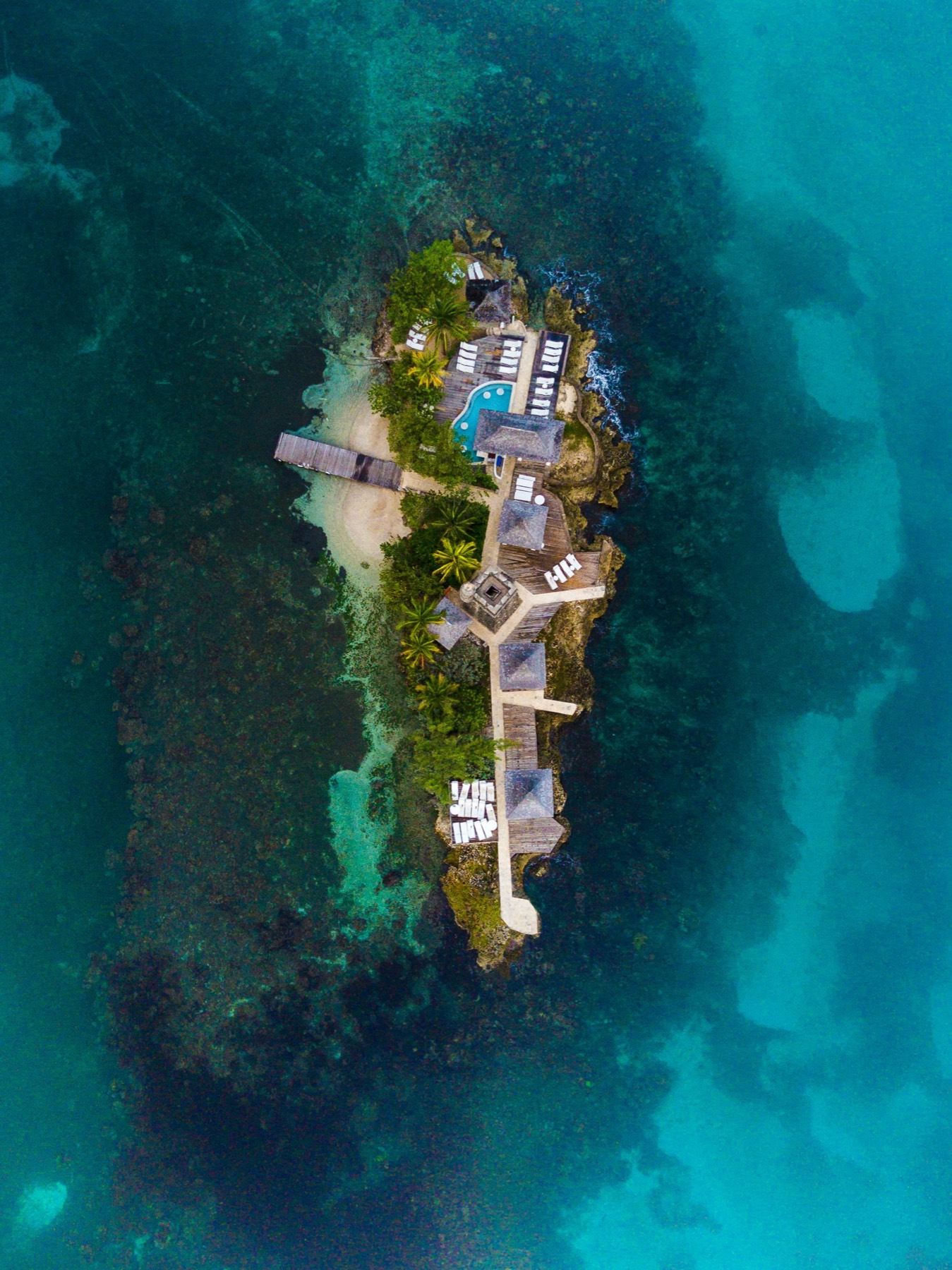
A private island holiday isn't really about luxury, even though it is luxurious. It's about what happens when you take away all the things that usually make a holiday feel like one: the other guests, the queue at breakfast, the choice of restaurants, the noise. What's left is something different. Quieter. More yours.
In This Guide
- What a Private Island Holiday Actually Means
- Who Private Island Holidays Suit
- What There Is to Actually Do
- Where to Find Genuine Private Islands
- What Catches People Out
- How to Choose a Private Island That Actually Fits
- Why I Love Booking These Trips
- Frequently Asked Questions About Private Island Holidays
- Planning a Private Island Holiday: What I'd Suggest
It's also a much smaller category of trip than it sounds. The phrase "private island" gets used loosely. A resort with fifty water villas on a small island isn't a private island. A hotel that calls itself "your private slice of paradise" isn't one either. A genuine private island holiday means something more specific.
It means the island is the property. There are no other resorts, no other hotels, no other anything. Just the one place, the staff who run it, and the people lucky enough to be staying there that week.
It's one of the most interesting kinds of holiday I plan, and one of the most personal.
What a Private Island Holiday Actually Means
It comes in two shapes.
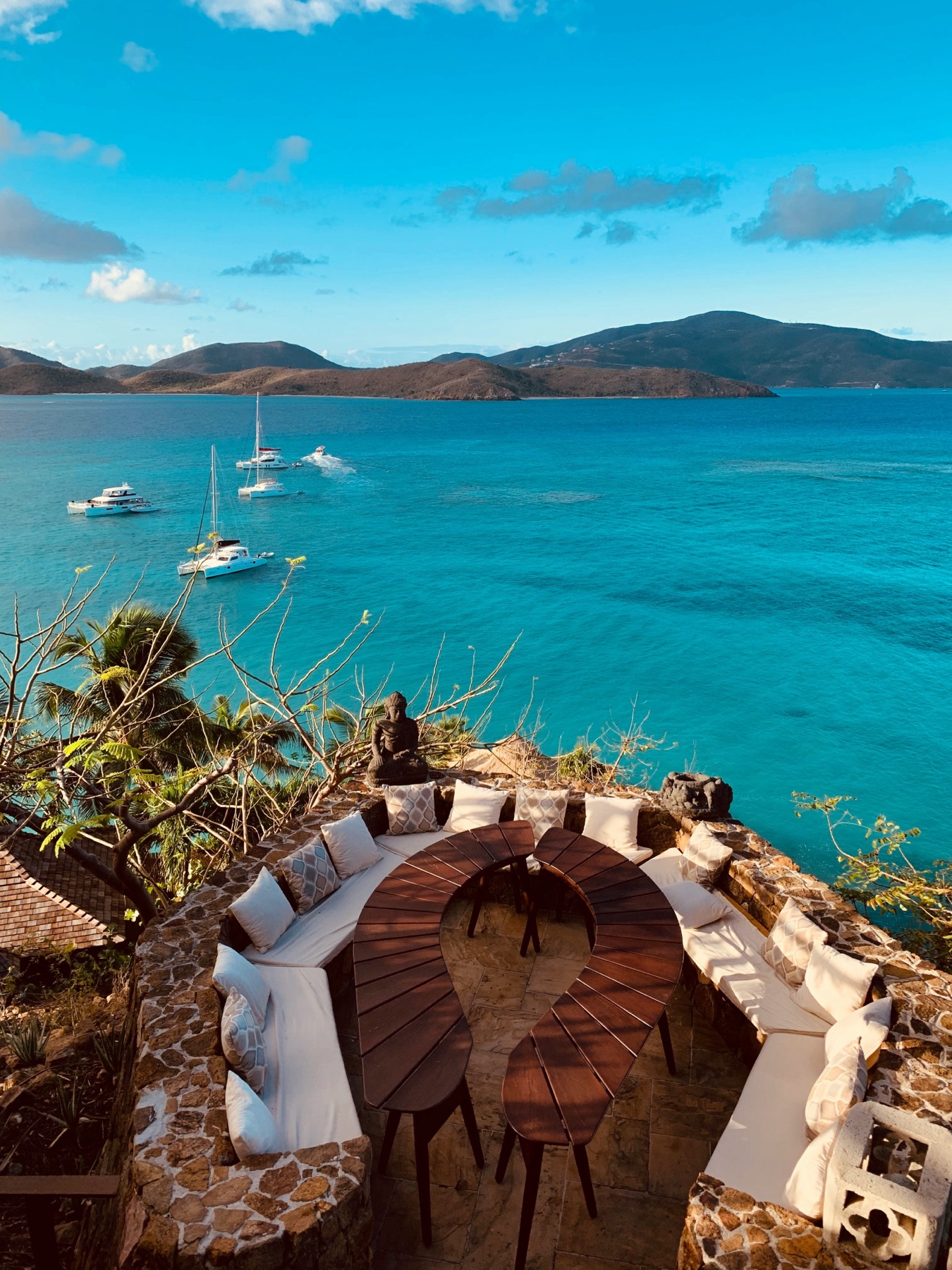
The first is a single-resort island. The whole island is one property. You're sharing it with other guests, but there might be ten villas, twelve, sometimes a few more. Necker in the British Virgin Islands works this way. So does North Island in the Seychelles. Cousine Island, Calala Island in Nicaragua, Petit St Vincent in the Grenadines. Each has its own character. The principle is the same: the island and the property are the same thing.
The second is a full island buyout. You and your party are the only people there. The villas, the beach, the chef, the staff, the boats, all yours for the duration. This is the territory of milestone celebrations, big family gatherings, and trips where the privacy is the whole point.
What both versions share is what they leave out. No neighbouring resort to wander to. No second restaurant down the beach. No high street. The property is the holiday. Once that settles in, everything else about choosing the right one starts to make sense.
Who Private Island Holidays Suit
The people who get the most out of a properly private island are rarely the ones you'd expect from the marketing. They're not all film stars with security details. Most of them are simply people who've decided that this particular week, for this particular reason, they want the world to leave them alone.
It might be a couple who've had a hard year. Bereavement, illness coming out the other side, children leaving home, an intense run at work. They don't want to be surrounded by other guests at breakfast. They don't want small talk by the pool. They want a week where nothing reaches them and they can finally exhale.
It might be a milestone. A 50th, a 60th, a 25th anniversary, a retirement, a long-promised celebration. The trip has been planned for years and it has to match the moment. These clients tend to know what they want emotionally, even if they need help working out the logistics.
It might be a family wanting one week under the same roof with no negotiation about restaurants or activities or who's eating where. Multi-generational trips work beautifully on a private island because the choices are already made. Everyone is just there, together.
And sometimes it's a honeymoon, or a proposal, or a trip that's been promised for years and is finally happening. The kind where the location is part of the story.
What a private island isn't, is a holiday for people who like variety in their evenings. There are no neighbouring bars. No alternative restaurant if you fancy a change of scene. That said, the kitchen will usually cook whatever you want, however you want it. If your idea of variety is different cuisines across the week, that's easily handled. If it's wandering out and finding somewhere new, that's a different kind of holiday.
This is exactly the kind of nuance worth talking through properly before anything gets booked.
Ready to start planning?
Fill in my enquiry formWhat There Is to Actually Do
It's tempting to picture a private island and see hammocks and long lunches, and yes, that's part of it. What surprises most people is how much else there is.
The diving and snorkelling, especially, can be extraordinary. Private islands tend to sit in waters that have been protected for years, often inside marine reserves or conservation areas, and the reefs reflect that. On islands like Mnemba off Zanzibar, or in the outer Seychelles, you can snorkel straight off the beach and find turtles drifting past, reef sharks moving in the shallows, rays gliding along the sand. Some properties run their own dive operations with private dive masters. Some are tied to active marine conservation work you can join in with.
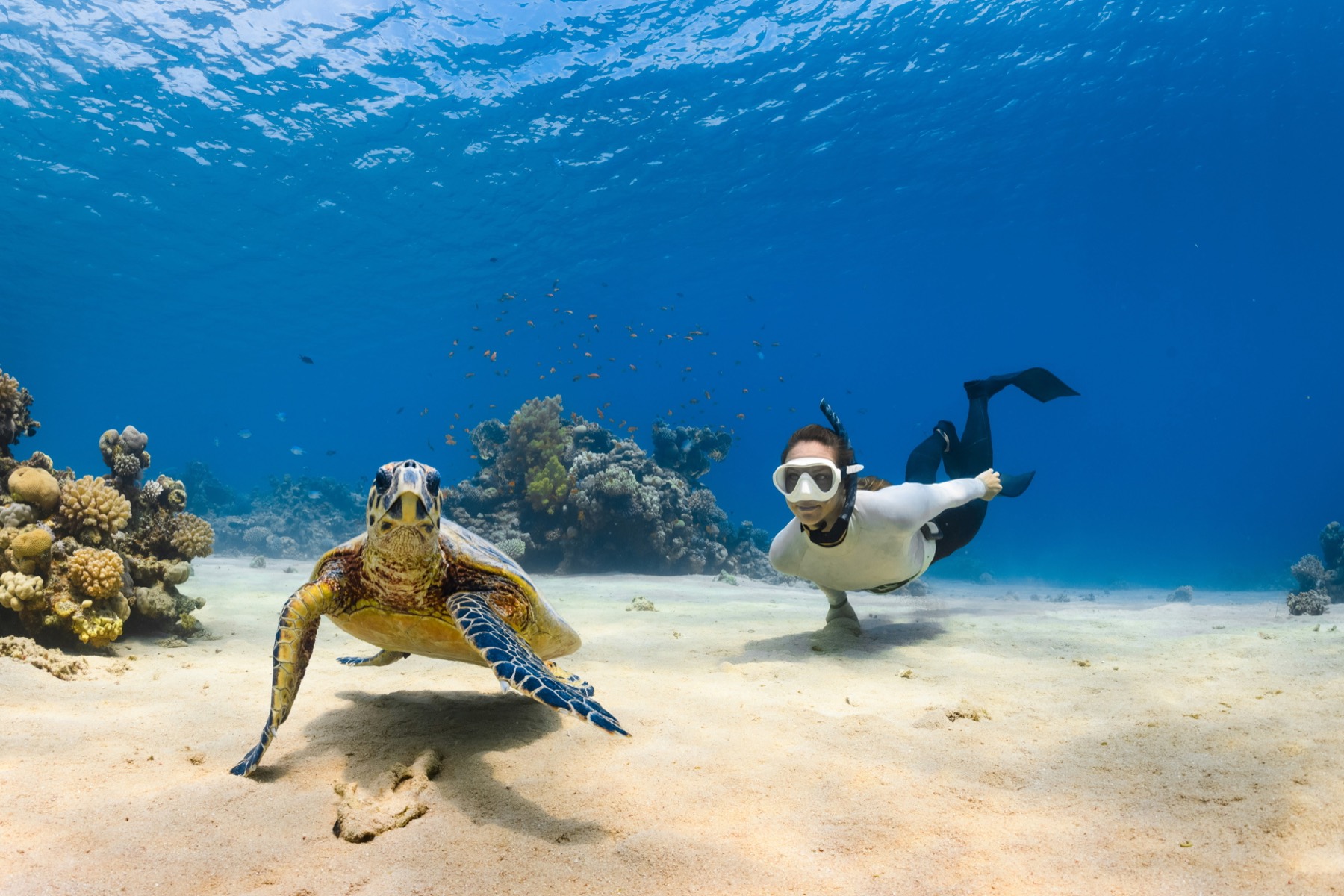
The wildlife is the other quiet surprise. Madagascar's island lodges sit in waters where humpback whales pass through in season and lemurs move through the canopy above the villas. The outer Seychelles has giant tortoises wandering the lawns and turtles nesting on the beach. Indonesia's eastern islands sit on the edge of some of the most biodiverse waters on earth. The right private island is one of the best wildlife holidays you can book. Most people don't think of it that way until they get there.
Watersports are usually included rather than charged by the hour, which changes how you actually use them. Paddleboards, kayaks, sailing dinghies, snorkel kit, just there. So are the staff who know the best places to take them. You go out, you come back, you go out again.
And then there's the slower stuff. Spa programmes that run across the whole stay rather than as one-off treatments. Private dinners on a sandbar at sunset, the lights of the island twinkling behind you. Beach cinema setups under the stars. Long lunches that turn into longer afternoons. Stargazing without a streetlight in sight. Some properties have proper kids' clubs, sailing schools, tennis coaches and yoga programmes. Others deliberately don't. The activity profile changes hugely from one island to the next, and matching it to how you actually want to spend your time is where the planning matters most.
Where to Find Genuine Private Islands
They aren't where you might expect, and there are fewer of them than you'd think.
The Caribbean has the strongest concentration. The Grenadines, the British Virgin Islands and parts of the Bahamas all have single-resort islands and buyout options that work beautifully. Flight times from the UK are reasonable, which matters more than people expect when you're balancing travel recovery against actual holiday time. The Caribbean Tourism Organization covers the smaller island groups well.
The Seychelles has some of the most characterful private islands in the world, the outer islands particularly. Older landscapes, more dramatic geology, and wildlife (giant tortoises, frigate birds, hawksbill turtles nesting on the beach) that gives a stay there a different texture entirely. Seychelles Tourism has good detail on the geography of the outer islands.
East Africa has a small but exceptional private island scene. Mnemba off Zanzibar is the best known. The Madagascan island lodges deliver some of the most ambitious private island experiences anywhere, with helicopter access, marine conservation programmes and properly remote settings. The wider Indian Ocean, including Mauritius, pairs well with these for a longer trip.
Indonesia and the South Pacific offer some of the most remote private islands anywhere. Fiji has a strong scene, and Tourism Fiji is a useful starting point for the region. Indonesia's eastern islands, particularly around Raja Ampat and the Komodo region, sit in some of the most extraordinary waters in the world.
Central and South America is the surprise category. Panama's Pacific islands, parts of Belize's reef, and a handful of properties off Nicaragua and Mexico give you private island holidays that pair beautifully with land-based extensions through the region.
Each of these regions has its own season, its own rhythm, its own quirks. Matching the right island to the right traveller is where the planning earns its keep.
What Catches People Out
A few things worth knowing before you go.
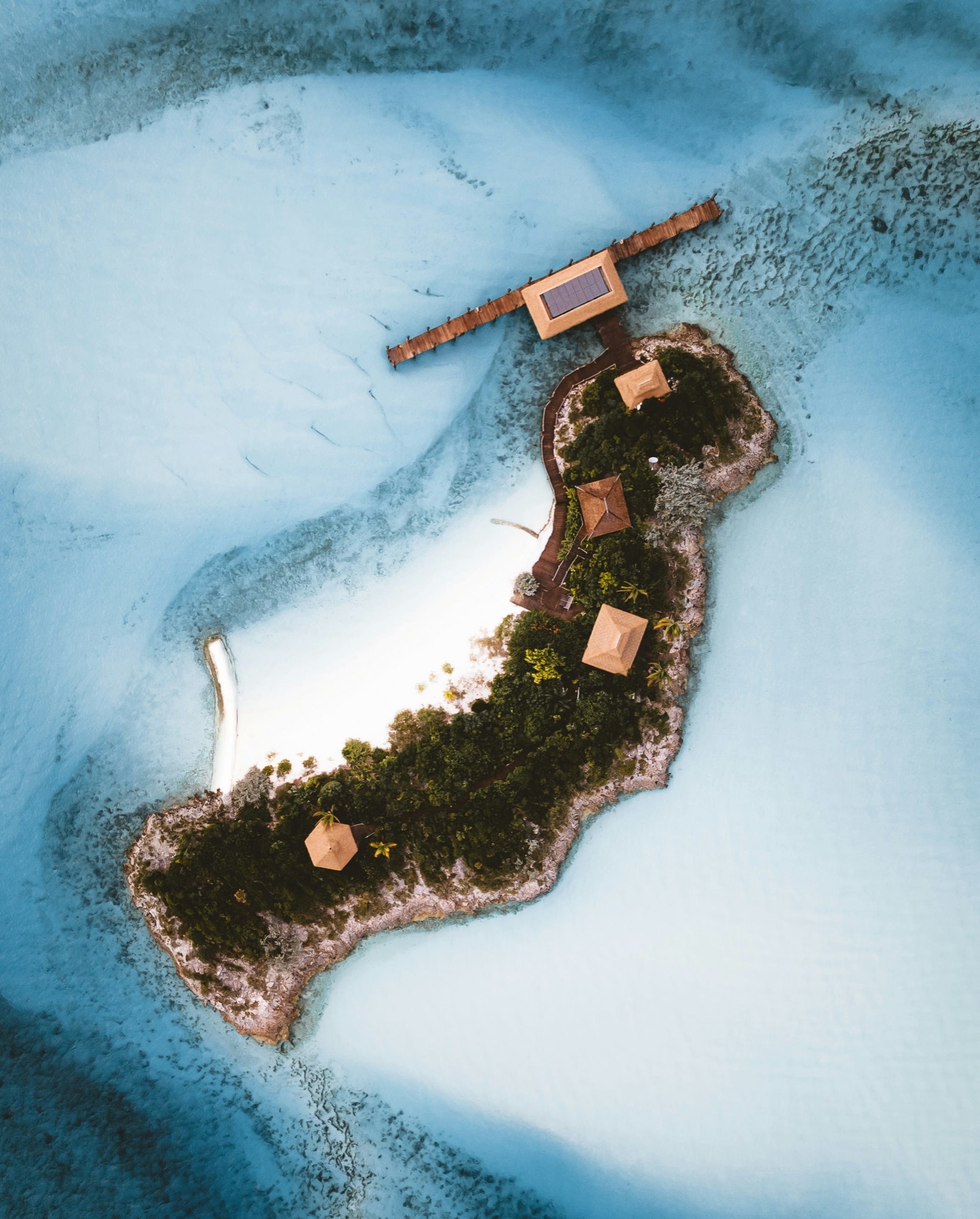
Getting there is rarely a single flight. There's usually a long-haul leg, then a domestic transfer (often by seaplane, small boat or helicopter), and sometimes a longer end-of-journey than expected after a long day of travel. This is part of the experience, but it's worth building into the plan properly.
Weather windows matter more on a private island than at a city hotel. If a storm sets in, you're on the island. Brilliant properties handle this beautifully, with covered dining areas, proper indoor spaces, spa rooms and considered alternatives. Less brilliant ones don't. Choosing the right property and the right season protects against this.
Connectivity varies enormously. Some islands have full fibre wifi everywhere. Some deliberately don't. If switching off is the point, that's a feature. If you need to be reachable for work or family reasons, ask before booking.
Food catches people out more than you'd expect. On a remote island, you eat what the property has brought in. Picky eaters, specific dietary requirements and strong preferences all need flagging early. Good properties handle this brilliantly when they know in advance. They can't work miracles on arrival.
Why Plan Your Holiday With Me?
I'm Rachael. I plan tailor-made holidays for curious travellers who love comfort. New experiences, lovely places to stay and someone looking after the details.
Design
I listen first, then shape your holiday around what you enjoy and what makes you comfortable. From the route to your room, with time to explore and time to relax.
Discover
With trusted specialists and local experts, I find distinctive places to stay and experiences that help you get to know a destination, chosen around your interests.
Travel well
I contact your hotels before you arrive, reconfirm your stay and share your preferences. I ask about upgrades and thoughtful extras where available, and support you until you're safely home.
How to Choose a Private Island That Actually Fits
There are a few questions I find myself asking clients early in these conversations.
How remote do you actually want to be? There's a real difference between a private island twenty minutes by boat from the mainland and one a four-hour seaplane transfer from anywhere. Both are valid. They're not the same trip.
How active do you want to be? Some islands lean toward stillness: hammocks, long lunches, bookshelves, sunset walks. Others have full diving operations, paddleboards, kayaks, kids' clubs, tennis courts and proper spa programmes. Matching the property to your actual energy levels matters more than the brochure suggests.
What's the occasion? A honeymoon and a 70th birthday with the extended family need very different islands, even though both sit under the same heading.
How much of the planning do you actually want to handle? Some properties run on a fully personalised schedule that needs designing in advance: spa treatments, dive sessions, private dinners on a sandbar at sunset. Some are more relaxed. Matching this to how you want your holiday to unfold is its own piece of work.
These are the conversations that shape the trip. If you're already thinking about combining a private island with a wider journey, my guide to Porto and Lisbon is a useful read on how twin-centre pacing tends to work.
Why I Love Booking These Trips
These are some of the most rewarding trips I plan, because the people booking them usually need this trip more than they're letting on. They've been thinking about it for a long time. There's often a reason behind the timing. By the time they get in touch, the trip already means something.
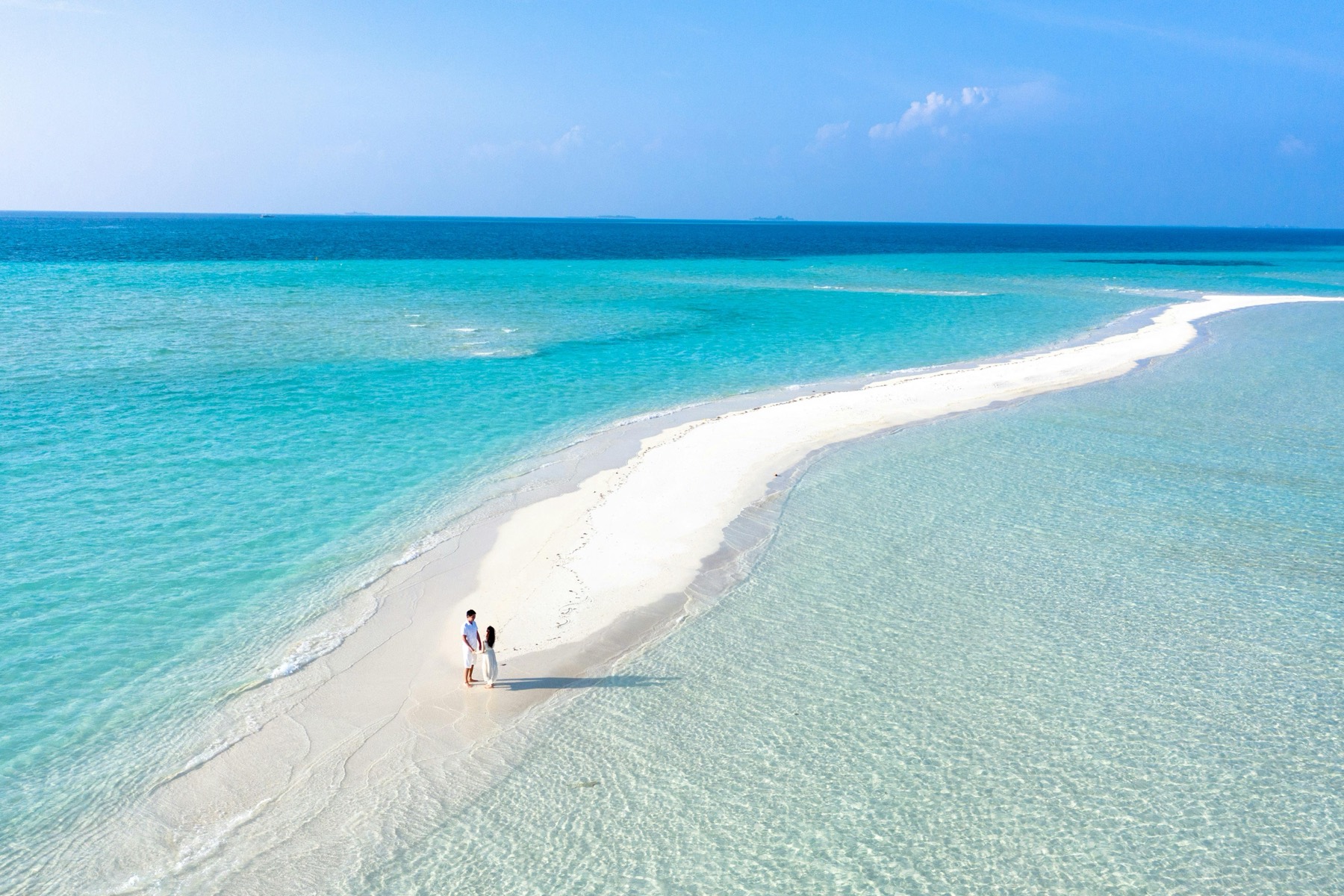
The gap between a generic booking and a properly considered one is enormous on a holiday like this. The right island, the right villa, the right season, the right transfer arrangements, the right small touches arranged ahead of arrival. It all compounds. By the time clients step off the boat or seaplane, the trip is already working on them.
I have direct relationships with the operators who run these properties and the partners who specialise in them. That means I can ask the questions that matter, get straight answers, and arrange the small touches that make a real difference. The dietary requirements. The villa with the view that not every villa has. The cake. The surprise dinner setup. The proposal that needs to happen at a very specific time on a very specific beach. Those are the things that turn a great holiday into one people genuinely never forget.
You Might Also Like
Frequently Asked Questions About Private Island Holidays
What actually counts as a private island holiday?
A genuine private island holiday means the island is the property. There are no other resorts, no other hotels, no other anything beyond the one place you're staying. A resort with lots of villas on a small island doesn't count, even if it markets itself that way. The two real versions are single-resort islands (the whole island is one small property, shared with a handful of other guests) and full island buyouts (you and your party are the only people there).
What's the difference between a private island and a private resort?
A private resort can be exclusive, beautiful and very quiet, but it sits on land where other things exist. There might be a road nearby, a village ten minutes away, another hotel further along the coast. A private island holiday means the island itself is the property. No neighbouring restaurant, no high street, no other resort over the headland. The boundary of the property is the coastline.
Are private island holidays suitable for families with children?
Many of them are, but not all. Some have proper kids' clubs, sailing schools, watersports programmes and accommodation set up for families. Others are deliberately adult-focused and not a good fit for young children. The deciding factor is the property, not the concept. Multi-generational families and families with older children often do particularly well on private islands because the structure of the trip, everyone in one place with the choices already made, takes a lot of the negotiation out of the holiday.
When is the best time of year to go?
It depends on the region. The Caribbean's best months are roughly December to April, with hurricane season running June to November and peaking August to October. The Seychelles is good most of the year, but the calmer seas and best diving visibility are April to May and October to November. East African coastal islands such as Zanzibar and Madagascar avoid the rainy seasons in April-May and November. Indonesia and the South Pacific have their own patterns. Matching the timing to the destination is one of the most important parts of the planning.
How do you get to a private island?
Almost never in one go. Most trips involve a long-haul flight, a domestic transfer (often by light aircraft, seaplane, helicopter or boat), and sometimes a longer end-of-journey than expected. The transfer is part of the experience, and some of it is genuinely magical. It's also something worth building into the plan properly, so you arrive ready to start your holiday rather than finishing a marathon.
Will there be wifi on a private island?
It depends on the property. Some have full fibre wifi everywhere. Some deliberately keep connectivity limited to encourage guests to switch off. If you need to be reachable for work or family reasons, ask before booking.
How far in advance should I book a private island holiday?
Six to twelve months is normal. Eighteen months isn't unusual for the most sought-after dates (Christmas, New Year, school holidays, big celebration windows) and the most sought-after properties. That said, last-minute availability does happen, especially outside peak weeks, so it's worth getting in touch even if your dates are close.
Planning a Private Island Holiday: What I'd Suggest
The earlier we start, the better. Properly private islands and full buyouts book up a long way in advance, particularly around school holidays, Christmas and big celebration dates. Six to twelve months ahead is normal. Eighteen is not unusual for the most sought-after dates and the most sought-after properties.
That said, if you're looking to get away sooner, still get in touch. Last-minute availability does happen, especially outside school holidays, and it's always worth a conversation before assuming nothing's possible.
A short initial conversation goes a long way. The right private island for one couple is completely wrong for another, and the most useful thing I can do early on is help you narrow the field properly rather than wading through dozens of similar-sounding properties.
Whether it's a milestone trip, a honeymoon, a family celebration or a long-promised escape that's finally happening, private island holidays are one of the rare trips where the planning genuinely changes the outcome. Every itinerary I put together is personal, because the best trips always are.