
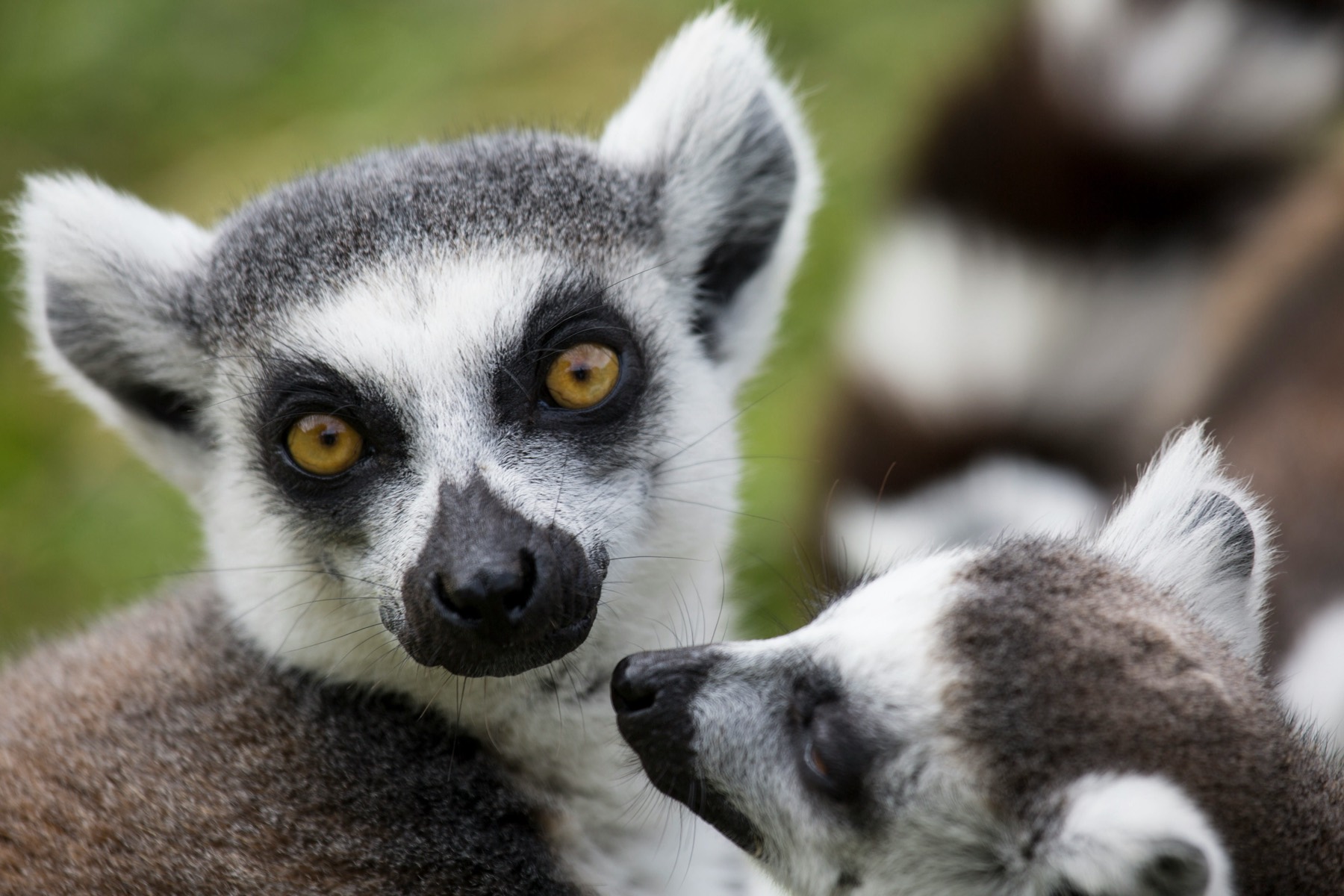
Madagascar broke away from the rest of the world around eighty million years ago and never quite rejoined it. Marooned in the Indian Ocean, cut off from everything else, its wildlife evolved down its own strange and private path. The result is an island where most of what you see lives nowhere else on earth. Lemurs. Baobabs wide enough to park a car inside. Chameleons small enough to balance on a fingertip. Around four in every five species here are found only in Madagascar and nowhere else, which makes it one of the most biologically peculiar places on the planet.
A Madagascar cruise is, quietly, one of the best ways to reach it. That sounds counterintuitive until you understand the island itself, so let me explain why the sea is so often the smarter way in.
In This Guide
- Why a Madagascar Cruise Makes More Sense Than You'd Think
- What You Actually See on a Madagascar Cruise
- The Islands and Ports Worth Knowing About
- When to Go on a Madagascar Cruise
- Who a Madagascar Cruise Suits, and Who It Might Not
- Planning a Madagascar Cruise: What I'd Suggest
- Frequently Asked Questions About Madagascar Cruises
- A Trip for the Genuinely Curious
Why a Madagascar Cruise Makes More Sense Than You'd Think
Madagascar is enormous. It is the fourth largest island in the world, and the things worth seeing are scattered right around its edges and deep into its interior. The problem is what sits between them. The roads are poor, the distances are long, and the rainy season can wash whole routes away for months at a time.
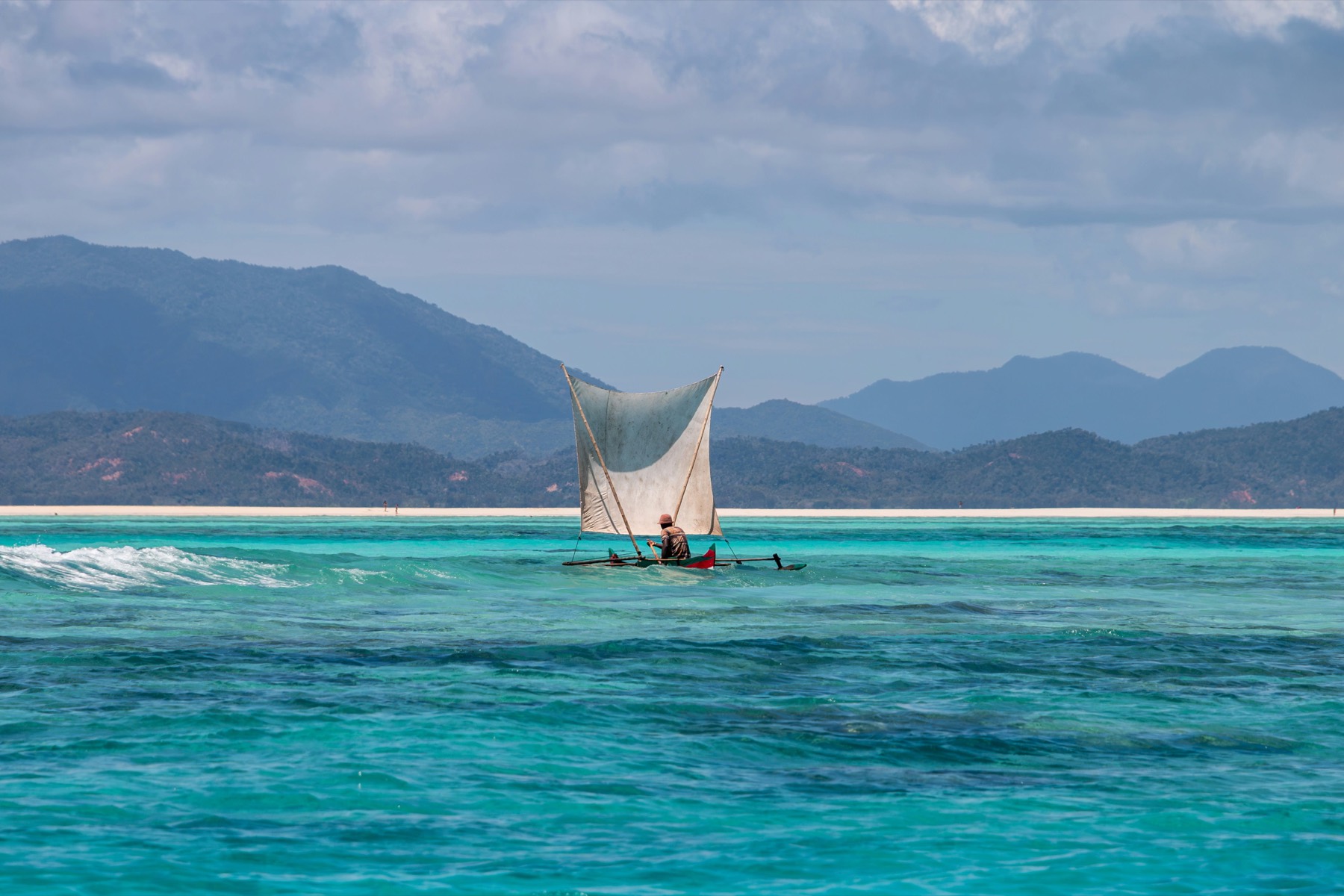
Travel here overland and you spend a great deal of your holiday in a vehicle, watching the same red dust go past the window. A ship rewrites that equation entirely. You wake up somewhere new most mornings, the difficult logistics happen while you sleep, and the remote islands that are almost impossible to reach by road are suddenly your front garden.
One thing worth clearing up early, because the marketing blurs it. A Madagascar cruise is not the rugged, roughing-it expedition some people picture. Most of the ships that sail here are luxury small ships, polished and beautifully run, usually carrying somewhere between one hundred and two hundred guests, with generous space, excellent food and proper service. A few are more classic expedition vessels, and some sit in between. What they almost all share is that they are small ships, not floating cities.
They also share how you actually explore. There are naturalist guides on board, and you go ashore in Zodiac dinghies, landing on beaches with no jetty and no crowd, often the only group there. It is unhurried, it is curiosity led, and it suits people who want to understand a place rather than simply photograph it. You get the comfort of a proper ship and the reach of a small one, which is a rare and lovely combination.
What You Actually See on a Madagascar Cruise
This is the part that makes people lean in. The wildlife here genuinely is like nowhere else.
The lemurs are the obvious draw, and they live up to it. Black lemurs that come close enough to study your face. Ring-tailed lemurs in their unmistakable striped scarves. Red ruffed lemurs barking through the forest canopy. You will likely meet several species, often on small offshore islands where they have grown unusually relaxed around people.
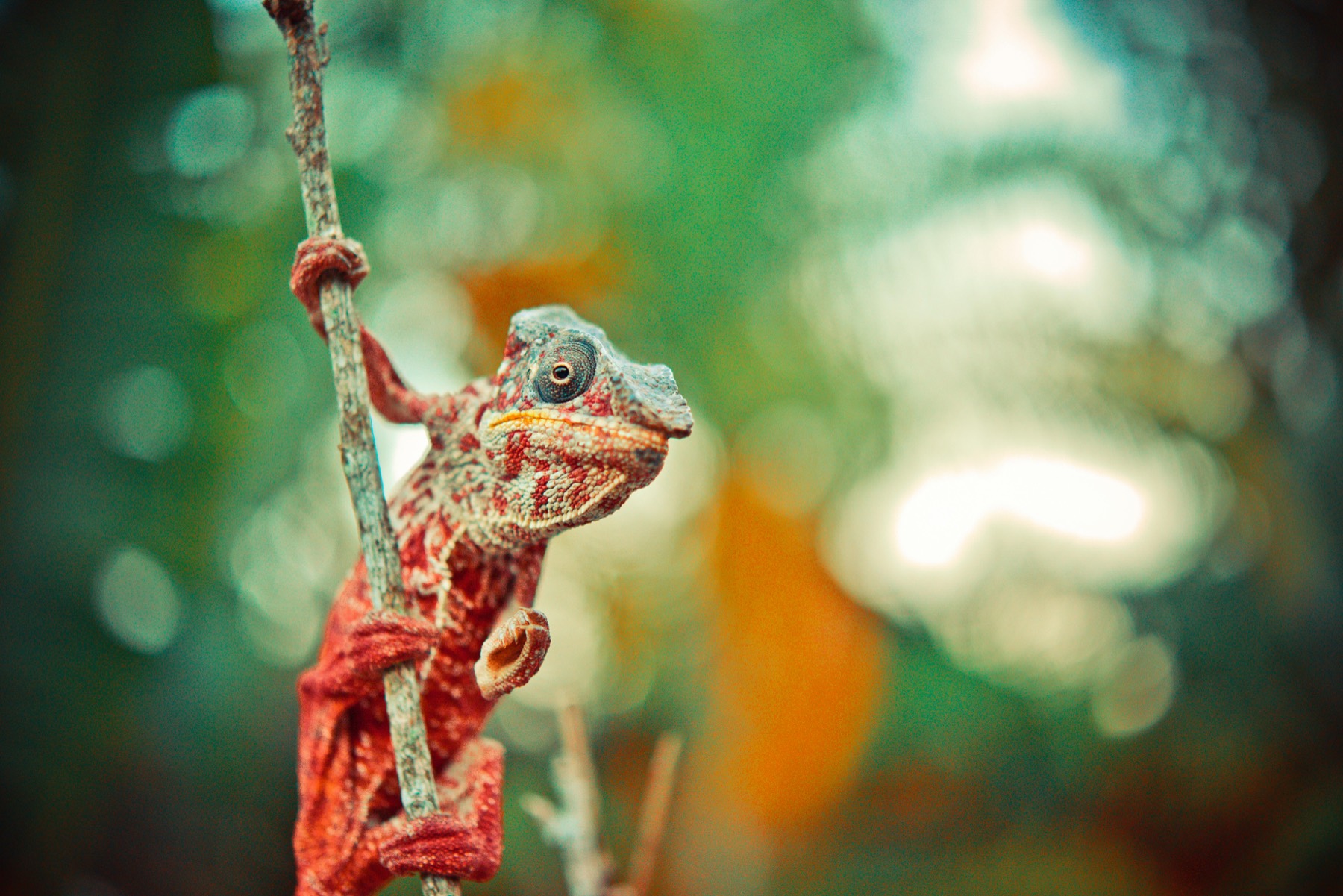
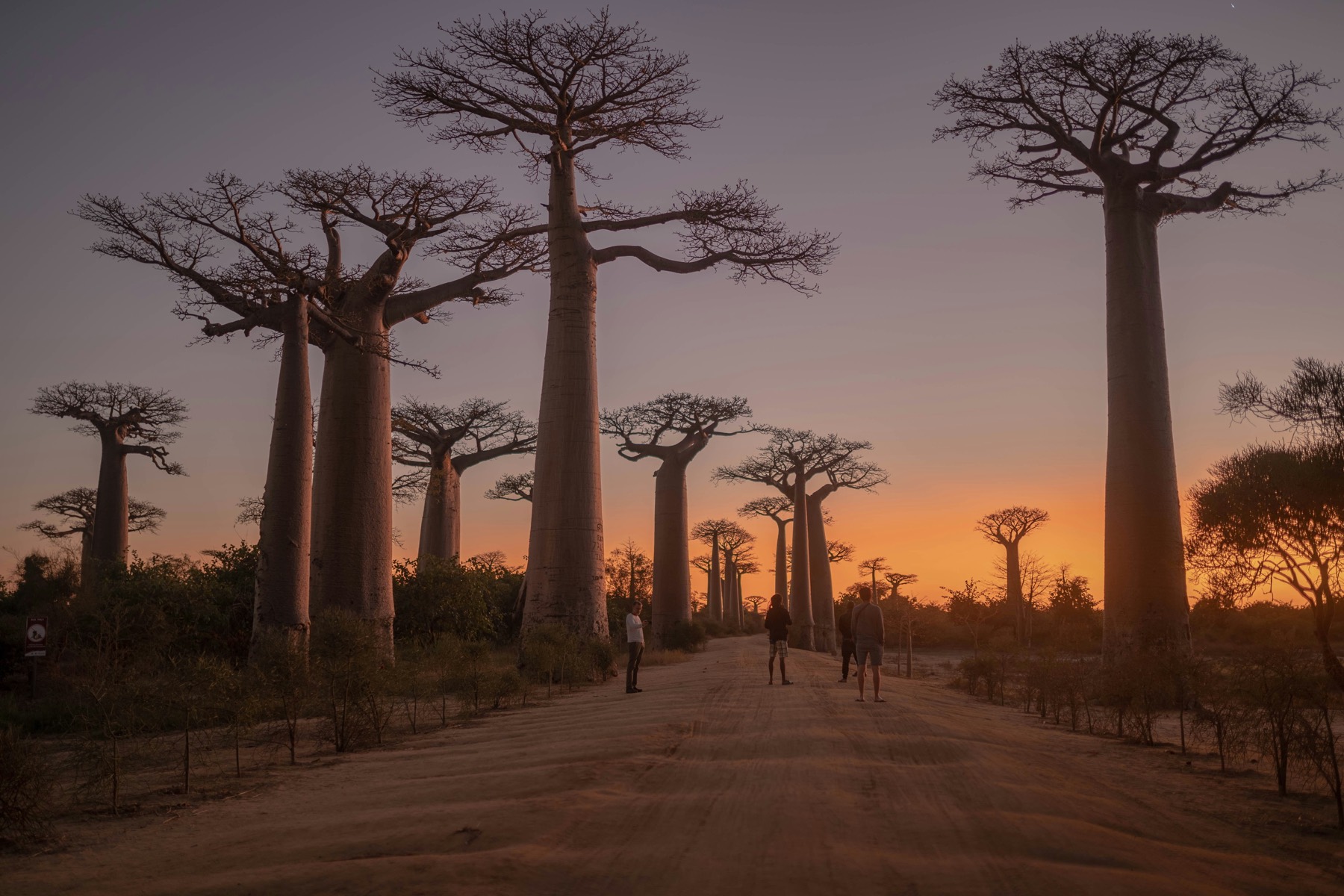
Then there are the baobabs, those impossible upside-down trees that look as though they were planted by a child who got the proportions wrong. There are chameleons, including one of the smallest reptiles on earth. There are giant tortoises, radiated tortoises, fossa if you are lucky, and a cast of birds that birdwatchers travel a very long way to tick off.
The sea has its own programme. The reefs around the northern islands are vivid and largely intact, which makes the snorkelling some of the best in the region. Green turtles drift past. And between roughly July and September, humpback whales gather off the east coast to breed and calve, close enough to the surface that sightings from a small ship can be genuinely moving. Later in the year, whale sharks move through the waters around Nosy Be.
Ready to start planning?
Fill in my enquiry formThe Islands and Ports Worth Knowing About
Most Madagascar cruises work the northern and western coasts, where the islands are at their most beautiful and the access is easiest. A few link Madagascar with the Seychelles, Mauritius, Réunion or South Africa, which opens up a longer, richer journey.
A handful of names come up again and again, and it helps to know what each one is for:
- Nosy Be, the main hub, whose name simply means "big island". This is where many cruises begin or end, and it makes a lovely soft landing into the country.
- Nosy Komba and Nosy Tanikely, two small islands off Nosy Be. One is known for its black lemurs, the other for snorkelling over a protected marine reserve.
- Île Sainte-Marie, a lush, palm-fringed island with a genuine pirate past, complete with a pirate cemetery and one of the oldest churches in the country. The prime spot for whale watching in season.
- Diego Suarez (Antsiranana), set around one of the most dramatic natural harbours in the world.
- Mahajanga and Morondava on the west coast, the gateways to the red rock formations and the famous avenues of baobabs.
That is the only list you will find in this post, because the truth is that no two Madagascar cruises call at quite the same places, and the right itinerary for you depends entirely on what you want to come home having seen. Pinning that down is one of my favourite conversations to have.
When to Go on a Madagascar Cruise
Timing matters here more than on almost any trip I plan, and getting it wrong can cost you the whole experience.
The short version is that the dry season, broadly April or May through to October or November, is when Madagascar is at its best. The roads are passable, the wildlife is active, and the weather is kind. The window you want to avoid completely is January to March. That is cyclone season, when heavy rain closes roads, shuts lodges, and makes much of the island genuinely difficult to move around.
Within the good months, the choice comes down to what you most want to experience. July to September is peak season and the time for humpback whales, though it brings cooler temperatures and more company. The shoulder months of April and May, and again October and November, are quieter, greener and often more rewarding, with baby lemurs appearing around October and whale sharks arriving near Nosy Be in November. There is no single perfect week, only the right week for you, and that is precisely the sort of thing worth talking through before anything is booked.
There is one more constraint worth being honest about, because it shapes everything else. Very few cruise lines schedule Madagascar at all, and those that do run only a handful of departures each season. In practice that means the calendar is set as much by the cruise companies as by the weather. The good dates are limited, they go early, and once a sailing has sold out it is gone for the year. This is exactly why I encourage people to start the conversation long before they think they need to, so I can hold the right departure for you rather than leave you choosing from whatever is left.
Who a Madagascar Cruise Suits, and Who It Might Not
I would rather be honest with you than sell you something that does not fit, so here is the real talk.
A Madagascar cruise suits curious people who want to understand the world, not just see it. People who are quietly thrilled by a lemur at close quarters, a baobab at dusk, a coral garden seen through a snorkel mask. It works beautifully for active couples who have done the obvious destinations and want something with more substance, and for families whose children are old enough to be genuinely captivated rather than simply restless.
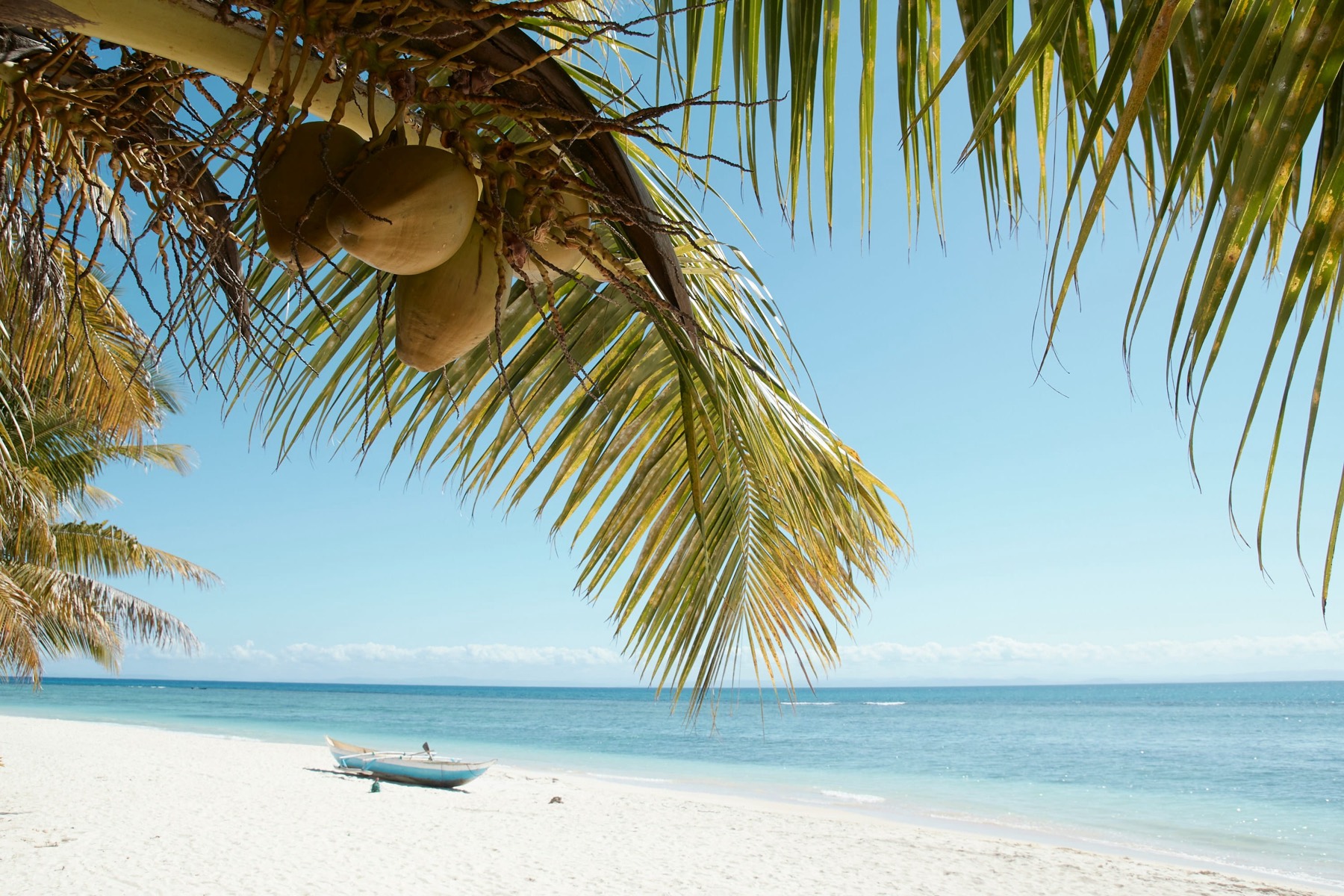
It is less suited to anyone who wants a big ship with theatres, casinos and late-night entertainment, because that is not what these vessels are. You go ashore by Zodiac, which sometimes means stepping into shallow water with the help of the crew, so a reasonable level of mobility helps. Connectivity is patchy and deliberately so. This is remote travel, and that remoteness is the point.
Getting there is also a commitment, and it is worth knowing that upfront. There are no direct flights from the UK, so reaching your ship usually means a connection or two, and many itineraries begin or end in the Seychelles, Mauritius, Réunion or South Africa rather than in Madagascar itself. That sounds like a complication. Handled well, it is actually an opportunity, because it lets you build in a few days somewhere extraordinary at either end.
The Blue Turtle Escapes Difference
I'm Rachael, and booking through me costs you nothing.
Here is what it adds.
Design
I listen first. How you travel, what you've loved before, what you'd rather avoid. Then I design your holiday with you. You work with one person, start to finish.
Discover
I work with 200 trusted partners who have actually been there. I pick the right ones for you, then work closely with them on every detail.
Travel well
Before you arrive, I tell the people looking after you what matters to you. And you have my support from when you first contact me until you're home.
Planning a Madagascar Cruise: What I'd Suggest
A trip like this rewards thought, and it punishes the assumption that you can simply book the ship and sort the rest later.
The first thing I would steer you towards is matching the cruise line and the style of vessel to the kind of traveller you are. These ships vary more than people expect, from genuinely luxurious small ships with excellent food, generous cabins and a naturalist team, to more pared-back, expedition-style operations. The wildlife outside the window may be similar. The experience on board is not, and the difference is worth getting right.
The second is the journey at either end. Because so many Madagascar cruises connect with the Seychelles or Mauritius, there is real value in adding a stay before or after. It turns a single holiday into something layered: the wild, raw strangeness of Madagascar at one end, a few softer days of beach and warm sea at the other. The clients I work with who get the most from this trip are almost always the ones who give it room to breathe.
And then there is the quiet, unglamorous part that I happen to take seriously. Remote travel needs proper financial protection and a clear plan for what happens if something does not go as expected. My background is in security and risk management, and it shapes how I build a trip like this from the very first conversation. Every holiday I arrange is financially protected, and I am reachable throughout if you need me. On a journey to the far side of the Indian Ocean, that matters more than it does almost anywhere else.
If a cruise closer to home sounds more like your starting point, my guide to a first European river cruise is a gentler place to begin, and choosing the right cruise line is half the battle wherever in the world you are sailing.
You Might Also Like
Frequently Asked Questions About Madagascar Cruises
How long does a Madagascar cruise take?
Most sailings that take in Madagascar run somewhere between ten days and a fortnight, and many are part of a longer voyage that links the island with the Seychelles, Mauritius, Réunion or South Africa. With the travel at either end, I would think of the whole trip as closer to two or three weeks. It is a long way to go, and you want to give it the time it deserves.
When is the best time to go on a Madagascar cruise?
The dry season, broadly April or May through to October or November, is when Madagascar is at its best, and you want to avoid the January to March cyclone season completely. The honest complication is that very few cruise lines schedule Madagascar, so in practice your dates are shaped as much by the handful of available departures as by the weather. The good sailings sell out early, which is why I always suggest starting the conversation sooner than you think you need to.
Do I need to be very fit for a Madagascar cruise?
Not especially fit, but a reasonable level of mobility helps. You go ashore by Zodiac dinghy, which sometimes means stepping into shallow water with a hand from the crew, and some of the wildlife walks are on uneven ground. There is no need to be an athlete. If you have any concerns at all about mobility, tell me early and I will match you to the right ship and the right itinerary.
Are Madagascar cruises suitable for families with children?
They can be wonderful for the right family, particularly with children old enough to be genuinely captivated by the wildlife rather than restless between landings. These are small ships with naturalists on board, mostly luxury rather than family-focused, not big ships with kids' clubs and water slides, so the appeal is the lemurs, the snorkelling and the sense of adventure. For curious older children and teenagers, it can be the trip they never stop talking about.
How do I get to Madagascar from the UK?
There are no direct flights from the UK, so reaching your ship usually means one or two connections, and many itineraries begin or end in the Seychelles, Mauritius, Réunion or South Africa rather than in Madagascar itself. That sounds like a complication, and handled badly it is. Handled well, it is an opportunity to build in a few softer days somewhere extraordinary at either end. Working out those connections is part of what I do for you.
Is a Madagascar cruise safe, and is it financially protected?
Remote travel needs proper planning, and that is something I take seriously. My background is in security and risk management, and it shapes how I build a trip like this from the first conversation. Every holiday I arrange is financially protected, and I am reachable throughout if you need me. On a journey to the far side of the Indian Ocean, that peace of mind matters more than it does almost anywhere else.
A Trip for the Genuinely Curious
Madagascar is not the easiest place I send people, and I would never pretend otherwise. It is one of the most rewarding. It asks a little more of you in getting there, and it gives back something most destinations simply cannot: the experience of standing somewhere the rest of the world forgot, surrounded by creatures that exist nowhere else, having reached it by sea the way the island has always been reached.
Extraordinary is different for everyone. For some people it is a city, a vineyard, a slow river through Europe. For others it is a baobab silhouetted against an Indian Ocean sunset and a lemur watching from the branch above. If the second of those is calling to you, you are exactly the kind of traveller a Madagascar cruise was made for.